
zerubbabel in the bible

155+ Best Zerubbabel in the Bible Leader of Restoration

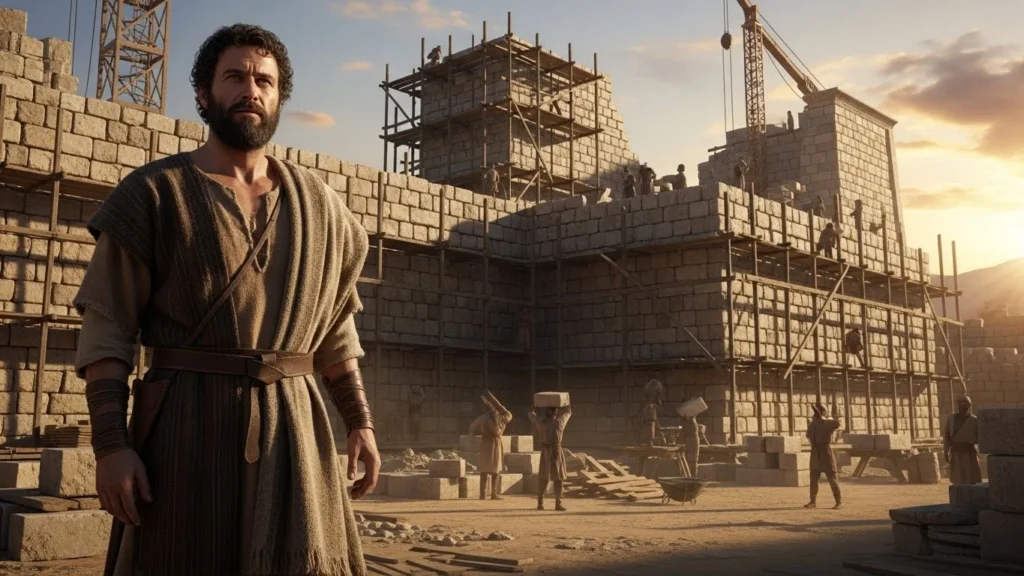
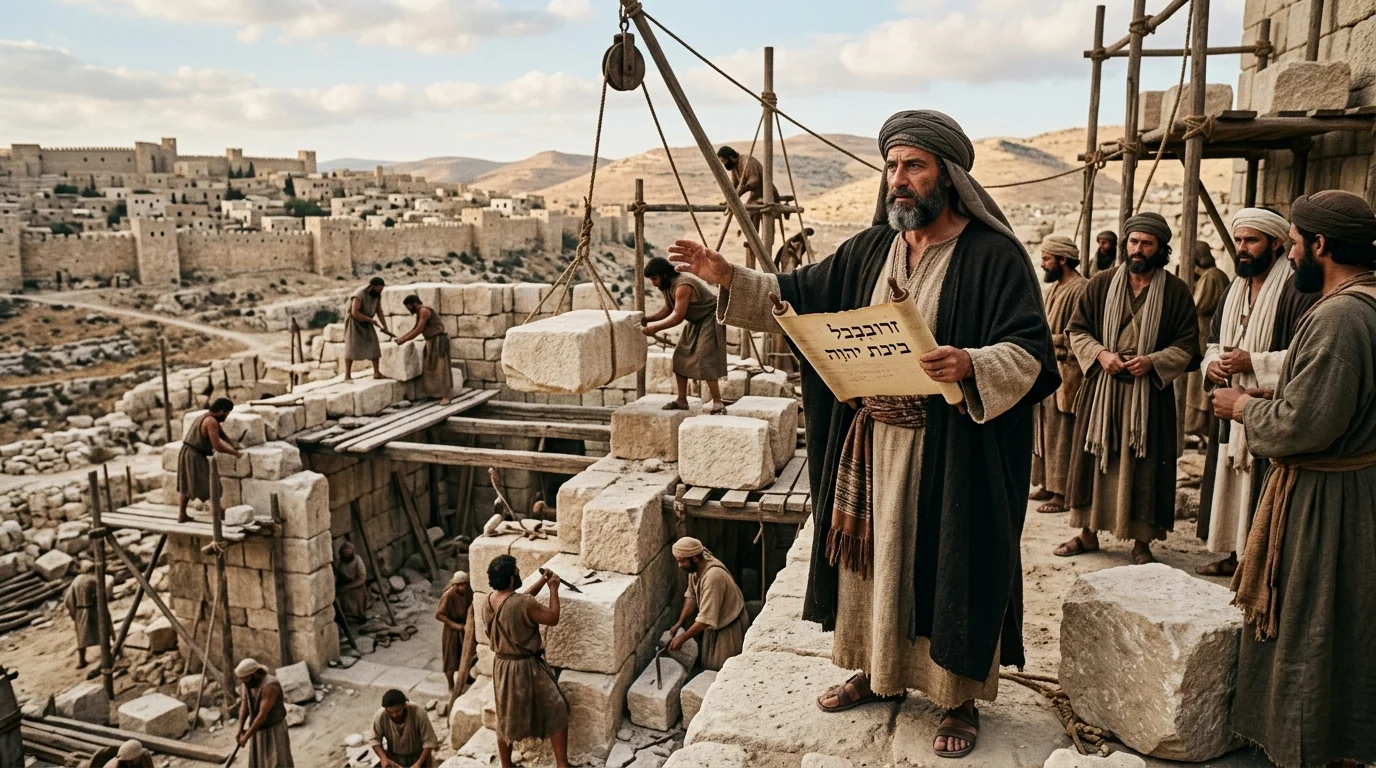
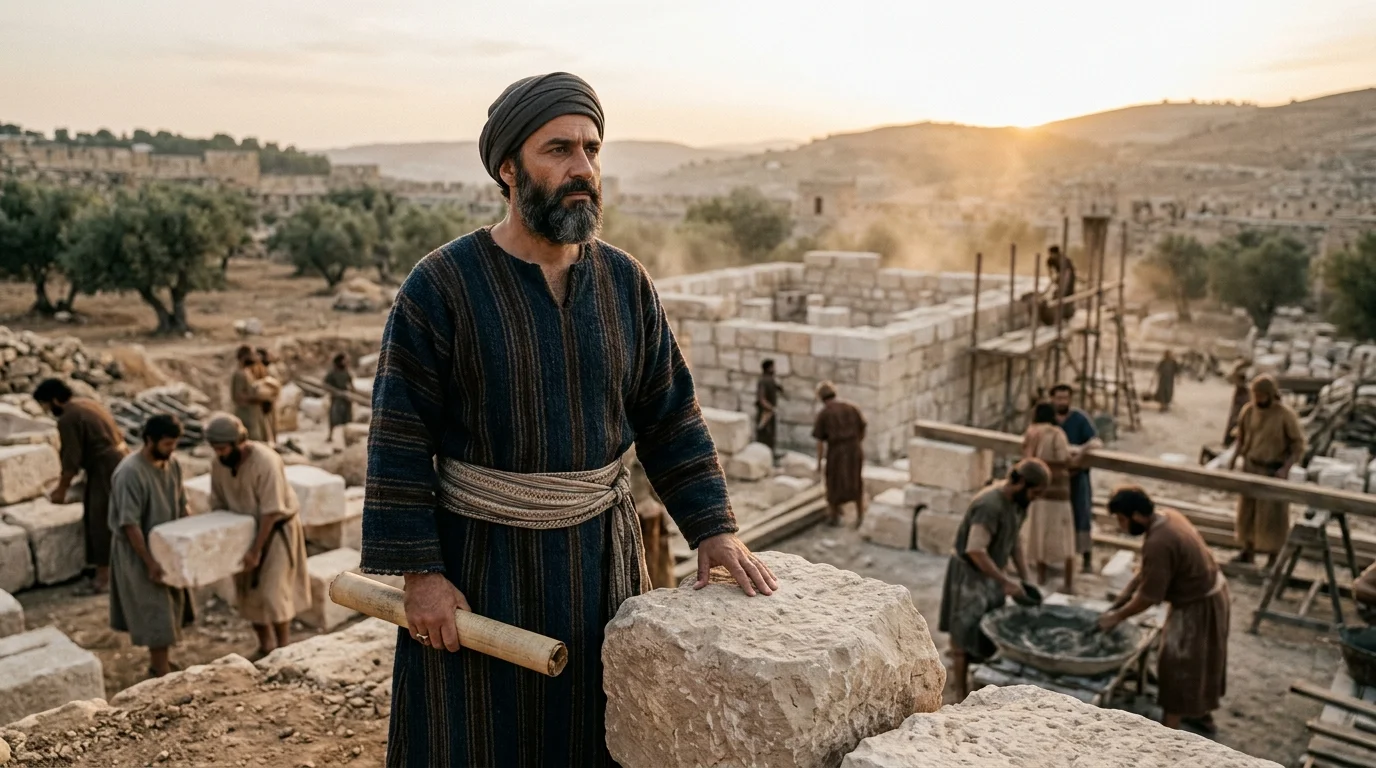
Zerubbabel is an important figure in the Old Testament who played a key role in the restoration of God’s people after the Babylonian exile. Many readers are curious about Zerubbabel in the Bible because of his leadership in rebuilding the Temple in Jerusalem and his connection to the lineage of the Messiah. As a descendant of King David, Zerubbabel led the first group of Jewish exiles back to Jerusalem and helped oversee the reconstruction of the Temple, a major milestone in Israel’s history. His story demonstrates faith, perseverance, and obedience during a challenging period of rebuilding and renewal.

Who Is Zerubbabel in Zechariah 4

Who Is Zerubbabel in Zechariah 4?

In Zechariah 4, Zerubbabel is presented as the leader responsible for rebuilding the temple in Jerusalem after the Jewish people returned from exile in Babylon.

God encouraged Zerubbabel with the famous words:

“Not by might, nor by power, but by my spirit, saith the Lord of hosts.” — Zechariah 4:6 (KJV)

The chapter assures Zerubbabel that God would help him complete the temple despite obstacles and opposition.


Who Is Zerubbabel and Why Is He Significant?

Zerubbabel was a Jewish governor of Judah and a descendant of King David. He led one of the first groups of exiles back from Babylon and played a major role in rebuilding the temple in Jerusalem.

His significance includes:

  • Leading the return from exile
  • Overseeing the rebuilding of the temple
  • Demonstrating faith and perseverance
  • Being part of the genealogy of Jesus Christ

A key verse states:

“The hands of Zerubbabel have laid the foundation of this house; his hands shall also finish it.” — Zechariah 4:9 (KJV)

His life illustrates God’s faithfulness in restoring His people.


Zerubbabel Pronunciation

Zerubbabel is commonly pronounced:

Zeh-RUB-uh-bel

or

Zer-OO-buh-bel

Different Bible teachers and regions may pronounce it slightly differently, but both forms are widely recognized.


Zerubbabel in the Bible Book

Zerubbabel appears in several books of the Bible, including:

  • Ezra
  • Nehemiah
  • Haggai
  • Zechariah
  • 1 Chronicles
  • Matthew
  • Luke

These books record his leadership in the restoration of Jerusalem and his place in the family line leading to Jesus.


Mountain Before Zerubbabel in the Bible

This query refers to Zechariah 4:7:

“Who art thou, O great mountain? before Zerubbabel thou shalt become a plain.” — Zechariah 4:7 (KJV)

The “great mountain” symbolizes obstacles, difficulties, and opposition facing the rebuilding of the temple.

See also  312+ Bible Verses About Joy and Happiness Daily Encouragement

God’s message was that no challenge would prevent His plan from being accomplished through Zerubbabel.


Spiritual Meaning of Zerubbabel

Spiritually, Zerubbabel is often seen as a symbol of:

  • Restoration
  • Faithful leadership
  • Perseverance
  • God’s empowerment
  • Victory over obstacles

His story teaches that God’s work is accomplished through divine help rather than human strength alone.

The message of Zechariah 4:6 remains central:

“Not by might, nor by power, but by my spirit, saith the Lord of hosts.”


How Many Zerubbabel in the Bible?

The Bible primarily refers to one well-known Zerubbabel, the governor of Judah who led the return from Babylonian exile and helped rebuild the temple.

Because he appears in multiple books and genealogies, readers sometimes think there are several Zerubbabels. However, these references generally point to the same historical person.


Zerubbabel in the Bible (KJV)

In the King James Version, Zerubbabel is portrayed as a faithful leader chosen by God to guide His people during a critical period of restoration.

One important KJV passage says:

“The hands of Zerubbabel have laid the foundation of this house; his hands shall also finish it.” — Zechariah 4:9

Another well-known verse connected to him is:

“Not by might, nor by power, but by my spirit, saith the Lord of hosts.” — Zechariah 4:6

The story of Zerubbabel encourages believers to trust God’s strength, remain faithful in difficult tasks, and persevere until God’s work is completed.

Zerubbabel’s Lineage and Royal Descent

Zerubbabel’s Lineage and Royal Descent

“And Zerubbabel the son of Shealtiel.” – Ezra 3:2
This introduces Zerubbabel as a descendant of King David, showing his connection to a royal and covenant-rich lineage.


Chosen to Lead the Rebuilding of the Temple

“Then rose up Zerubbabel… and began to build the house of God.” – Ezra 5:2
Zerubbabel was divinely appointed to oversee the reconstruction of the Temple after the exile, emphasizing leadership rooted in faith.


A Symbol of Restoration and Hope

“The hands of Zerubbabel have laid the foundation of this house.” – Zechariah 4:9
His work symbolized national renewal and a return to spiritual identity for the people.


Empowered Not by Strength but by Spirit

“Not by might, nor by power, but by My Spirit.” – Zechariah 4:6
This verse reveals the heart of Zerubbabel’s mission—success comes through God’s Spirit, not human strength.

See also  178+ Bible Verses About Sisters Love, Bond & Support

Overcoming Great Obstacles

“Who art thou, O great mountain? Before Zerubbabel thou shalt become a plain.” – Zechariah 4:7
Zerubbabel’s challenges were significant, yet God promised supernatural breakthrough and support.


Faithful in Completing God’s Work

“His hands shall also finish it.” – Zechariah 4:9
God assured that the work Zerubbabel started would be successfully completed through perseverance and divine help.

Leading with Courage

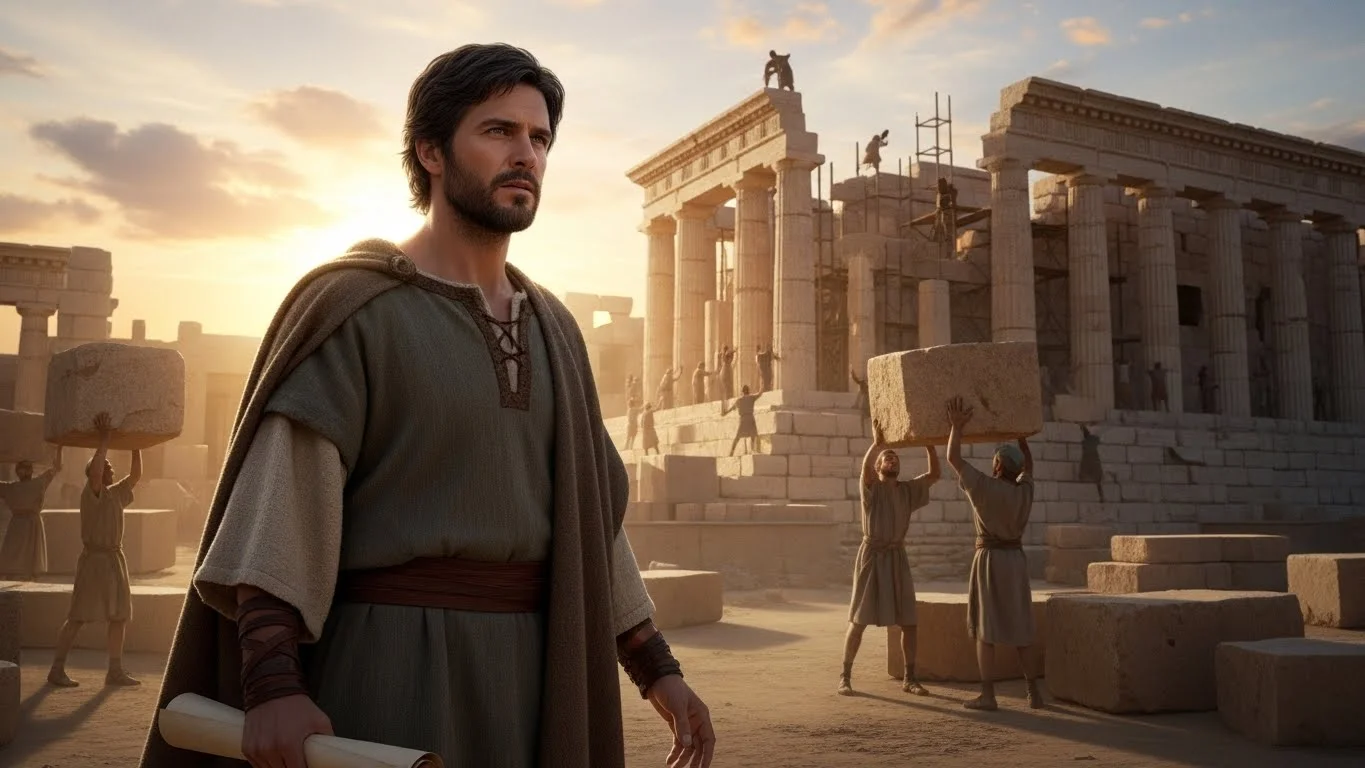
Leading with Courage in Difficult Times

“They set the priests in their apparel… as it is written.” – Ezra 3:10
Zerubbabel courageously led worship and reconstruction despite opposition and discouragement.


Rebuilding Worship and Identity

“They kept the feast of tabernacles, as it is written.” – Ezra 3:4
This demonstrates his commitment to restoring spiritual rhythms and obedience to God’s laws.


Modeling Obedience and Humility

“They built the altar of the God of Israel.” – Ezra 3:2
Zerubbabel prioritized worship before construction, embodying humility and alignment with God’s will.


A Leader Who Inspired Unity

“All the people shouted with a great shout when they praised the Lord.” – Ezra 3:11
His leadership brought people together in worship and collective purpose.


A Man Tested by Opposition

“Then the people of the land weakened the hands of the people of Judah.” – Ezra 4:4
Zerubbabel faced resistance, reminding readers that spiritual progress often comes with challenges.


Standing Firm Against Compromise

“Ye have nothing to do with us to build a house unto our God.” – Ezra 4:3
He refused outside influence that could corrupt or distort the mission.


Dependence on God for Strength

“The Lord stirred up the spirit… to build the house of the Lord.” – Ezra 1:5
Zerubbabel’s motivation and strength came from God’s stirring, not self-ambition.


A Reminder That God Restores Broken Things

“The foundation of the house was laid.” – Ezra 3:6
Zerubbabel’s work illustrates how God rebuilds what was lost, broken, or abandoned.


A Foreshadowing of Future Hope

“I will make thee as a signet.” – Haggai 2:23
God honored Zerubbabel uniquely, marking him as a chosen vessel in His redemptive plans.


Leading Through Renewed Faith

“The people obeyed the voice of the Lord.” – Haggai 1:12
Zerubbabel helped inspire spiritual renewal among the people, emphasizing the importance of obedience.


A Model of Perseverance

“The elders of the Jews builded, and they prospered.” – Ezra 6:14
His persistence helped carry the project to completion despite external pressure.

See also  163+ Countryside Bible Church Teachings and Spiritual Insights

A Reminder That God Finishes What He Starts

“And this house was finished.” – Ezra 6:15
Zerubbabel’s journey shows how God brings His plans to fulfillment in His perfect timing.


A Legacy of Faithfulness

“The children of the captivity kept the Passover.” – Ezra 6:19
Zerubbabel’s influence restored worship, identity, and communal faith.


A Symbol of Leadership Under Divine Guidance

“Because the Lord their God had turned the heart.” – Ezra 6:22
His leadership aligned with God’s movement among the people, showing the beauty of guided obedience.

FAQs

Who was Zerubbabel in the Bible?
Zerubbabel was a governor of Judah after the exile, descended from David, chosen to lead the rebuilding of the Temple.

What does the name Zerubbabel mean?
His name is often understood as “born in Babylon,” reflecting his exilic origins.

Why was Zerubbabel important?
He played a crucial role in restoring worship, rebuilding the Temple, and reviving national identity.

What lessons can we learn from Zerubbabel?
Lessons include perseverance, reliance on God’s Spirit, courageous leadership, humility, and obedience.

What opposition did Zerubbabel face?
He encountered political resistance, discouragement, threats, and attempts to stop rebuilding efforts.

How does Zerubbabel inspire modern readers?
He encourages resilience, trust in God, and commitment to spiritual purpose.

What is Zerubbabel best known for?
He is best known for leading the reconstruction of the Temple after the Babylonian exile.

How does the book of Zechariah relate to Zerubbabel?
Zechariah includes powerful prophetic encouragements directed toward Zerubbabel’s mission.

Why did God emphasize “not by might, nor by power”?
This highlighted that divine accomplishment depends on God’s Spirit rather than human strength.

What is Zerubbabel’s lasting legacy?
His legacy is one of restoration, leadership, and faithful obedience to God’s calling.

Conclusion

Zerubbabel in the Bible stands as a remarkable example of faith-driven leadership, perseverance, and divine calling. His story teaches that God strengthens, guides, and empowers those who trust in Him and commit to His purposes. Through Scriptures highlighting his courage and resilience, we are reminded that God restores, rebuilds, and completes His work in ways that strengthen our faith, renew our minds, and bring hope even in challenging seasons.

Scroll to Top