
passover in the bible new testament

201+ Best Passover in the Bible (New Testament) Meaning, Fulfillment, and Jesus as the Passover Lamb

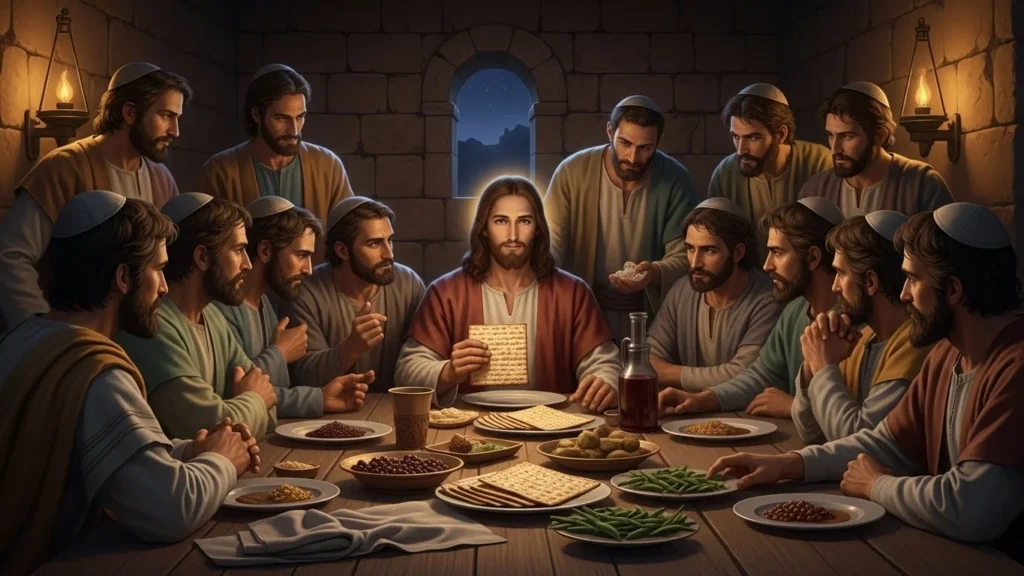
passover in the bible new testament mentioned throughout The Bible, and its meaning carries deep spiritual significance in the New Testament. Originally established in the Old Testament to remember Israel’s deliverance from Egypt, Passover later becomes a powerful symbol pointing to Jesus Christ.

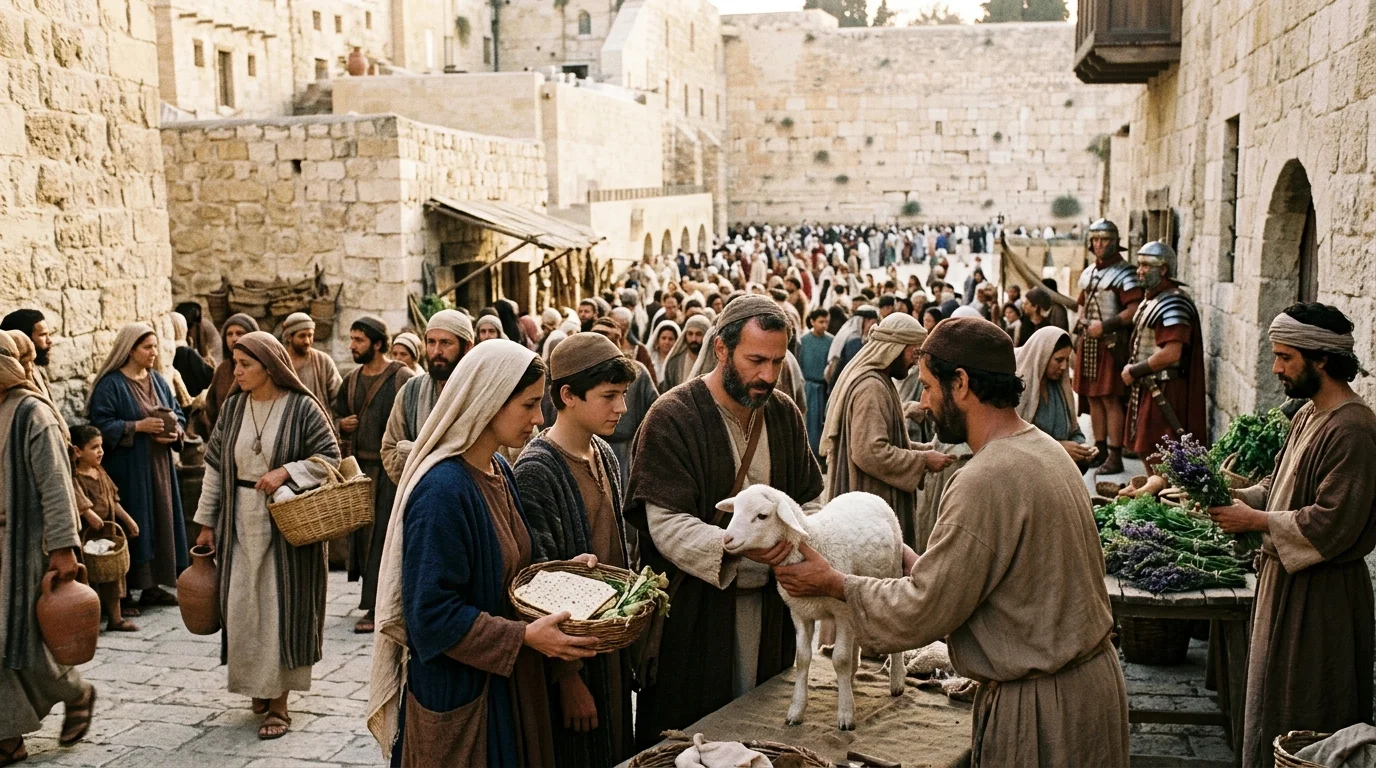
In Exodus, Passover begins when God instructs the Israelites to sacrifice a lamb and mark their doorposts so death would “pass over” them. This event represents deliverance, protection, and salvation.

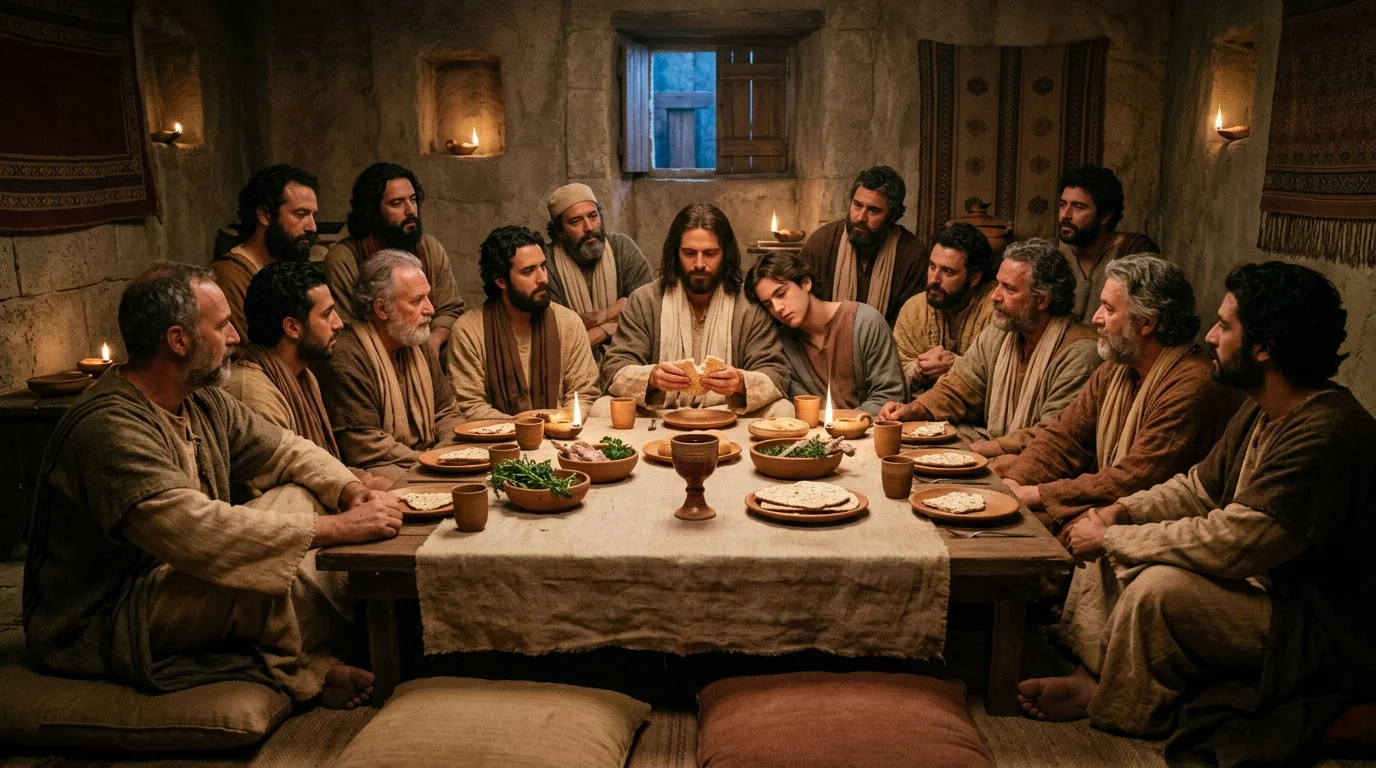
In the New Testament, the meaning of Passover is fulfilled in Jesus Christ. In Matthew, Jesus celebrates Passover with His disciples at the Last Supper, transforming it into a new covenant moment. The Apostle Paul further explains in 1 Corinthians that Christ Himself is our Passover Lamb, sacrificed for the salvation of

What Are the 4 Rules for the Passover in the Bible

What Are the 4 Rules for the Passover in the Bible

This query refers to the instructions God gave the Israelites regarding the Passover, a major event described in the Old Testament of the Bible. The original Passover is found in the book of Exodus, where God delivered Israel from slavery in Egypt.

Four Key Rules of the Passover (Exodus)

1. Choose a spotless lamb
Exodus 12:5 (KJV)
“Your lamb shall be without blemish, a male of the first year…”

2. Kill the lamb and apply the blood
Exodus 12:7 (KJV)
“And they shall take of the blood, and strike it on the two side posts…”

3. Eat the lamb with unleavened bread and bitter herbs
Exodus 12:8 (KJV)
“And they shall eat the flesh in that night, roast with fire, and unleavened bread; and with bitter herbs…”

4. Stay ready to leave quickly
Exodus 12:11 (KJV)
“And thus shall ye eat it; with your loins girded… and ye shall eat it in haste: it is the Lord’s passover.”

These rules symbolized obedience, deliverance, and readiness for God’s salvation.


Passover in the Bible Exodus

The Passover begins in Exodus 12, where God instructs Moses and Aaron to prepare Israel for deliverance from Egypt.

Exodus 12:13 (KJV)
“And when I see the blood, I will pass over you…”

This is where the name “Passover” comes from—God “passes over” the homes marked by the lamb’s blood.


Passover in the Bible Old Testament

In the Old Testament, Passover becomes an annual feast to remember God’s deliverance.

Leviticus 23:5 (KJV)
“In the fourteenth day of the first month at even is the Lord’s passover.”

It was one of the most important feasts for Israel, reminding them of freedom from slavery.

See also  HN Meaning in Text Explained Fast With Powerful 2026 Tips

Passover in the New Testament KJV

In the New Testament, Passover is still observed and becomes deeply connected to Jesus Christ.

Luke 22:15 (KJV)
“With desire I have desired to eat this passover with you before I suffer.”

Jesus uses Passover to introduce the Last Supper, showing Himself as the fulfillment of the Passover Lamb.


Jesus Passover Scripture

Jesus is described as the ultimate Passover sacrifice.

1 Corinthians 5:7 (KJV)
“For even Christ our passover is sacrificed for us.”

This shows that Jesus’ death fulfills the meaning of the Passover lamb.


How Many Times Is Passover Mentioned in the Bible

The word “Passover” appears multiple times across both Old and New Testaments. In the KJV, it is mentioned dozens of times (around 70+ references depending on translation counting).

It appears:

  • Frequently in Exodus, Leviticus, Numbers, and Deuteronomy
  • In the Gospels during Jesus’ ministry
  • In Acts as early Christians continued Jewish observance

What Are the Three Importance of Passover in the Bible

The Passover carries deep spiritual meaning:

1. Deliverance from slavery

God freed Israel from Egypt.

2. Protection through blood

The lamb’s blood saved them from judgment.

Exodus 12:13 (KJV)
“When I see the blood, I will pass over you.”

3. Foreshadowing of Christ

Jesus is the fulfillment of the Passover lamb.

John 1:29 (KJV)
“Behold the Lamb of God, which taketh away the sin of the world.”

Passover Remembered in the New Testament

Passover Remembered in the New Testament

“Christ, our Passover Lamb, has been sacrificed.”1 Corinthians 5:7
This verse highlights the spiritual meaning of Passover, emphasizing its connection to redemption and new beginnings.


Jesus Celebrates Passover with His Disciples

“They prepared the Passover.”Matthew 26:19
The New Testament records Jesus participating in the Passover meal, showing its importance and continuity with earlier Scripture.


The Last Supper Occurred During Passover

“When the hour came, he reclined at the table.”Luke 22:14–15
The Last Supper is framed within the Passover celebration, revealing sacred symbolism related to remembrance and covenant.


Passover and the New Covenant

“This cup is the new covenant in my blood.”Luke 22:20
The Passover meal becomes a moment of deep spiritual renewal, pointing toward God’s ongoing relationship with humanity.

See also  100+ Best Bible Verse for Christmas Inspiration Guide

Passover Timing and the Crucifixion

“It was the day of Preparation of the Passover.”John 19:14
The New Testament links Passover timing with significant events, widening its meaning within salvation history.


Passover and Deliverance Themes

“You will know the truth, and the truth will set you free.”John 8:32
Passover symbolizes freedom, and the New Testament expands the theme of deliverance into spiritual transformation.


Passover as a Sign of Protection

“Not one of his bones will be broken.”John 19:36
This statement connects back to the untouched Passover lamb, reflecting God’s protection and purpose.


Spiritual Cleansing Connected to Passover

“Get rid of the old yeast.”1 Corinthians 5:7
Yeast imagery appears both in Exodus and in the New Testament, symbolizing purity and renewal.

Passover and Remembrance

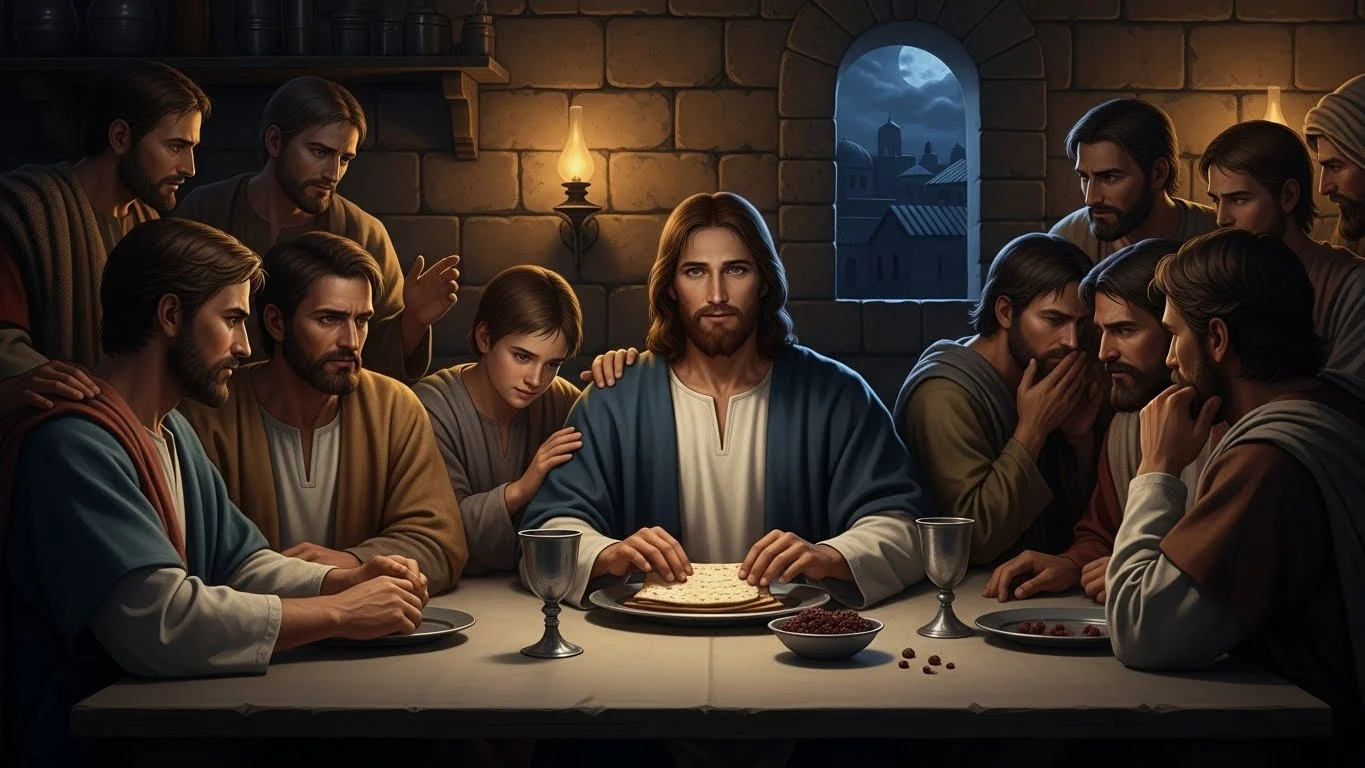
Passover and Remembrance

“Do this in remembrance of me.”Luke 22:19
Remembrance is central to Passover, and the New Testament emphasizes remembering God’s works with gratitude and reflection.


Passover and Unity

“We, though many, are one body.”1 Corinthians 10:17
The shared meal creates unity among believers, similar to how Passover united families and communities.


The Passover Lamb Symbolism

“Behold, the Lamb of God.”John 1:29
The imagery of a lamb connects Old Testament deliverance to New Testament spiritual hope.


Passover and Sacrifice

“Greater love has no one than this.”John 15:13
Passover reminds readers of sacrificial love, a key theme of redemption and divine care.


Passover Meals in Early Believers’ Practice

“They broke bread in their homes.”Acts 2:46
New believers continued gathering to share meals rooted in remembrance and faith.


Passover Preparation in the New Testament

“Where do you want us to prepare it?”Matthew 26:17
The intentional preparation reflects the importance of honoring sacred traditions.


Passover and God’s Faithfulness

“He who promised is faithful.”Hebrews 10:23
The meaning of Passover shines through the unwavering faithfulness of God.


Passover Days and Festivals Mentioned

“The Festival of Unleavened Bread was approaching.”Luke 22:1
The New Testament acknowledges the Passover season as an active part of cultural and spiritual life.


Passover and Prayer

“Watch and pray.”Matthew 26:41
During Passover week, times of prayer emphasized spiritual alertness and dependence on God.

See also  267+ Best Bible Verse Joy Daily Inspiration

Passover and Hope for Renewal

“He has given us new birth into a living hope.”1 Peter 1:3
Passover looks forward to new beginnings rooted in divine love and renewal.


Passover’s Message of Freedom

“Where the Spirit of the Lord is, there is freedom.”2 Corinthians 3:17
The New Testament widens the meaning of freedom beyond physical deliverance to include spiritual transformation.


Passover and God’s Plan of Redemption

In the fullness of time.” — Galatians 4:4
Events surrounding Passover unfold according to God’s perfect timing and purpose.

FAQs

What is Passover in the New Testament?
Passover in the New Testament continues the Old Testament tradition while revealing deeper spiritual meaning related to deliverance, covenant, and renewal.

Where is Passover mentioned in the New Testament?
It appears in the Gospels, Acts, and several letters, especially around the Last Supper and discussions of spiritual cleansing.

Why was the Last Supper during Passover?
Because Passover was a time of remembrance, making it a significant moment to reveal spiritual themes of covenant and deliverance.

How does the New Testament reinterpret Passover?
It expands Passover’s symbolism to emphasize spiritual renewal, unity, and freedom.

What does the Passover lamb represent in the New Testament?
It symbolizes deliverance, protection, and God’s saving plan.

Did early believers continue Passover traditions?
Many aspects of remembrance and shared meals continued among early followers.

What lessons does Passover teach today?
Themes of hope, renewal, freedom, and gratitude remain central for spiritual growth.

Is Passover still relevant in modern faith?
Yes, the themes of deliverance, remembrance, and hope remain meaningful for many today.

How does Passover relate to redemption?
The New Testament connects Passover imagery with spiritual deliverance and renewed life.

What is the spiritual meaning of Passover?
It represents liberation, protection, transformation, and God’s faithful presence.

Conclusion

Passover in the New Testament reveals powerful themes of remembrance, deliverance, unity, and renewed hope. It connects ancient tradition with deep spiritual meaning, reminding us of God’s faithfulness and purpose throughout Scripture. Exploring these passages encourages a heart of gratitude, deeper understanding, and renewed strength. May these insights help you appreciate the beauty and significance of Passover in the Bible New Testament, inspiring reflection, hope, and spiritual growth.

Scroll to Top