
Is It Bad Luck to Keep Ashes in the House?
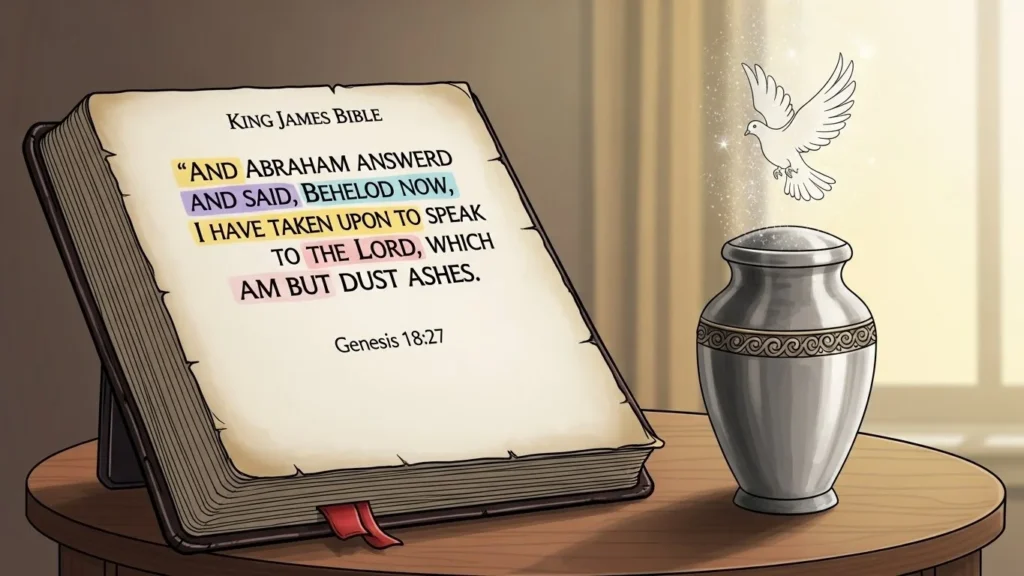
Many people wonder if keeping a loved one’s ashes at home brings bad luck. The Bible does not teach that ashes bring bad luck or spiritual harm. Scripture does not describe cremated remains as cursed or dangerous. Instead, the Bible focuses on honoring the dead and trusting God with the soul.
Ecclesiastes 3:20 reminds us:
“All go unto one place; all are of the dust, and all turn to dust again.”
From a biblical perspective, keeping ashes at home is a personal and emotional decision rather than a spiritual danger. What matters most is the heart’s intention—remembering and honoring the person.
Does the Spirit Stay With the Ashes?
The Bible teaches that the spirit does not remain with the body or ashes after death. According to Scripture, the soul returns to God.
Ecclesiastes 12:7 says:
“Then shall the dust return to the earth as it was: and the spirit shall return unto God who gave it.”
This means ashes are simply the physical remains of the body. The spirit is no longer present in them.
Keeping Ashes of the Dead
Keeping ashes is a modern practice of remembrance. The Bible does not directly command or forbid keeping ashes. Instead, it encourages honoring loved ones and trusting God with life after death.
Romans 14:8 says:
“Whether we live therefore, or die, we are the Lord’s.”
Christians may choose burial, cremation, or keeping ashes as a memorial. The key biblical principle is respect and love.
Is It Bad Luck to Keep Ashes in the House (Hindu Perspective vs Christian View)
People searching this often compare religious views. From a biblical viewpoint, ashes do not bring bad luck. Christianity does not teach that keeping ashes invites misfortune.
The Bible emphasizes faith in God rather than fear of objects.
2 Timothy 1:7 says:
“For God hath not given us the spirit of fear; but of power, and of love, and of a sound mind.”
Disrespectful Things to Do With Ashes
While the Bible doesn’t give detailed cremation rules, it strongly teaches respect for the body.
1 Corinthians 6:19–20 says the body is a temple of the Holy Spirit. Because of this, ashes should be treated with dignity.
Actions many Christians consider disrespectful include:
- Mocking or joking about the remains
- Throwing ashes away carelessly
- Using ashes in inappropriate or entertainment-related ways
Respect, honor, and remembrance should guide decisions.
Keeping Ashes at Home (Catholic View)
Many Catholics ask this question. The Catholic Church allows cremation but prefers ashes to be kept in a sacred place (like a cemetery or columbarium). However, keeping ashes at home may be allowed in special circumstances with permission.
This guidance is based on respect for the body and belief in resurrection.
What Does the Bible Say About Cremation (KJV)
The Bible does not forbid cremation. Both burial and burning are mentioned in Scripture.
Genesis 3:19 says:
“For dust thou art, and unto dust shalt thou return.”
Whether the body returns to dust through burial or cremation, the message is the same: the physical body returns to the earth, and the soul belongs to God.
Does the Bible Say a Cremated Body Cannot Rise?
No. The Bible does not say cremated bodies cannot be resurrected. Christian belief in resurrection is based on God’s power, not the condition of the body.
1 Corinthians 15:42–44 explains:
“It is sown a natural body; it is raised a spiritual body.”
God is able to resurrect all people, whether buried, cremated, lost at sea, or destroyed in any way. Resurrection depends on God’s power, not physical remains.
Scripture Emphasizes God’s Compassion in Grief
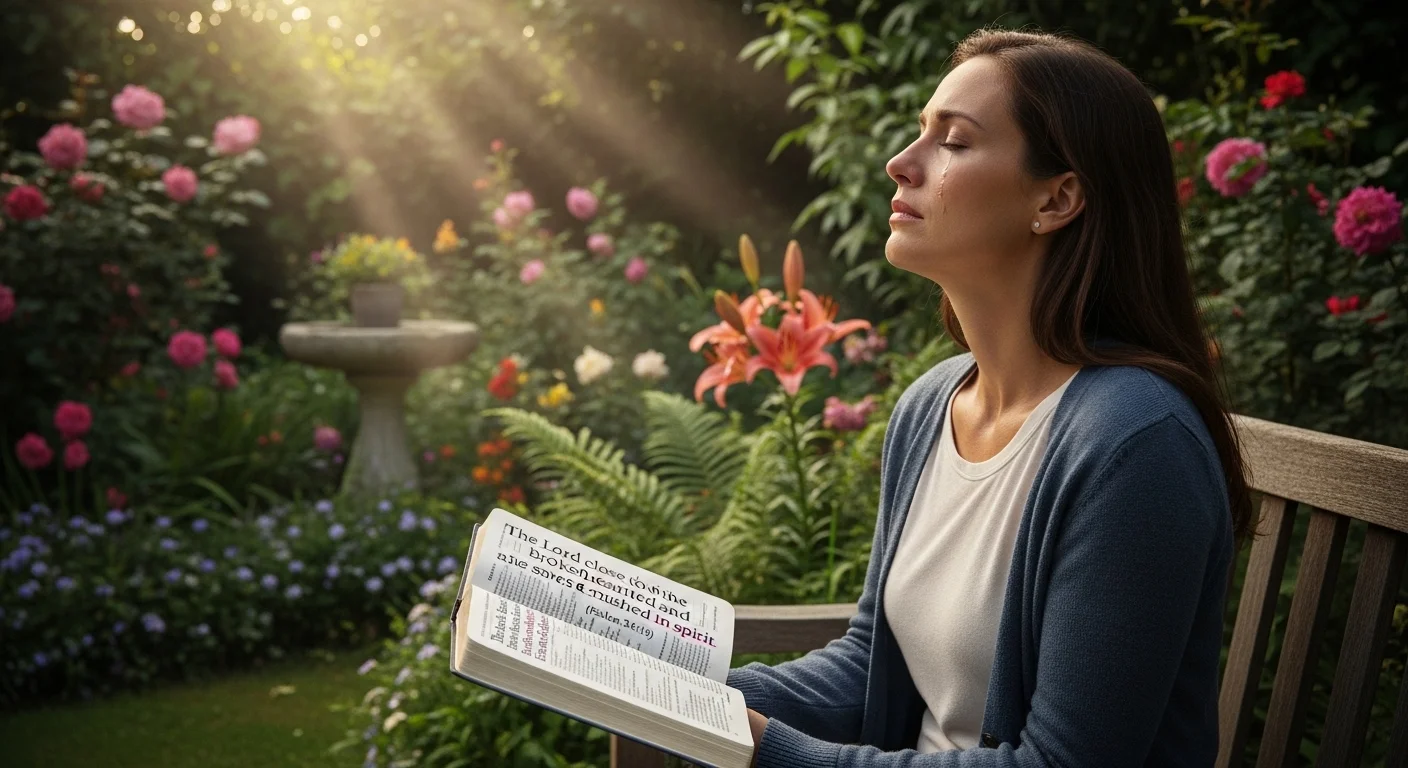
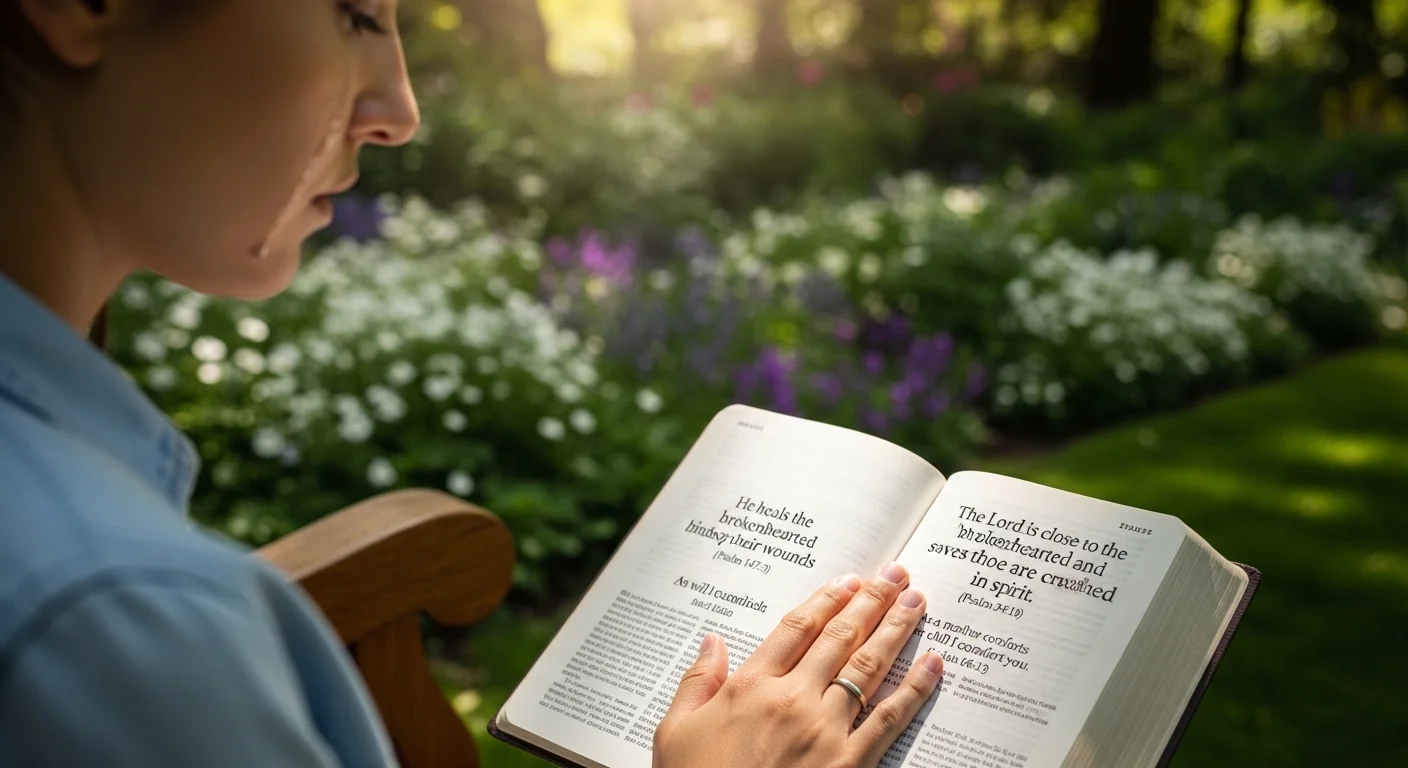
“The Lord is close to the brokenhearted and saves those who are crushed in spirit.” — Psalm 34:18
Before addressing practices, Scripture affirms God’s closeness during loss, offering emotional and spiritual comfort.
Humans Are Formed from Dust
“For dust you are and to dust you will return.” — Genesis 3:19
This verse acknowledges the natural return of the body to the earth, whether through burial or cremation.
God Cares for Our Physical Body
“You created my inmost being; you knit me together in my mother’s womb.” — Psalm 139:13
The body is portrayed as valuable and created with care, which guides decisions about handling remains with dignity.
Burial Was Common in Scripture
“Abraham buried his wife Sarah in the cave of the field.” — Genesis 23:19
Burial was the traditional method in biblical times, though the Bible does not state it as a required command for all.
Cremation Appears in Scripture
“They took their bones and buried them under a tree.” — 1 Samuel 31:12–13
Cremation is recorded without condemnation, showing that Scripture acknowledges various practices.
God Remembers Us Regardless of Burial or Cremation
“Even the very hairs of your head are all numbered.” — Matthew 10:30
This passage shows that God’s memory and care for a person are not affected by how remains are treated.
The Bible Does Not Forbid Keeping Ashes
“Everything is permissible, but not everything is beneficial.” — 1 Corinthians 10:23
While Scripture does not give direct instructions, it encourages thoughtful, purposeful decisions.
God Values the Heart More Than Rituals
“People look at the outward appearance, but the Lord looks at the heart.” — 1 Samuel 16:7
This verse supports the idea that memorial choices should come from love, respect, and personal conviction.
Remembrance Is Biblical
“Remember the days of old.” — Deuteronomy 32:7
Whether through burial sites, ashes, or memorial traditions, remembering loved ones is meaningful and scripturally supported.
Grief Practices Differ Culturally
“There is a time to mourn.” — Ecclesiastes 3:4
Different cultures express grief in unique ways, and Scripture allows space for these differences.
God Brings Peace in Decision-Making
“You will keep in perfect peace those whose minds are steadfast.” — Isaiah 26:3
God offers clarity and calmness for families considering cremation or keeping ashes.
Hope Beyond Death
“Death has been swallowed up in victory.” — 1 Corinthians 15:54
Scripture continually points toward hope, reminding us that a memorial choice does not affect eternal life.
Honor and Respect Are Encouraged
“Give honor to whom honor is due.” — Romans 13:7
However someone chooses to preserve or lay remains to rest, the guiding principle is honor.
The Body Will Be Renewed
“He will transform our lowly bodies.” — Philippians 3:21
The future renewal of the body does not depend on whether ashes are kept, scattered, or buried.
God Can Restore All Things
“Is anything too hard for the Lord?” — Genesis 18:14
The method of handling remains does not limit God’s power or ability to restore.
Keeping Ashes Can Be a Personal Comfort
“As a mother comforts her child, so will I comfort you.” — Isaiah 66:13
Scripture supports seeking comfort during grief, including personal memorial traditions.
Wise Counsel Is Encouraged
“Plans succeed through many advisers.” — Proverbs 15:22
Speaking with family, spiritual leaders, or counselors can help bring clarity.
God Understands Our Deep Emotions
“You keep track of all my tears.” — Psalm 56:8
Grief is deeply personal, and memorial choices often reflect that emotional journey.
Peace Comes from God, Not Rituals
“My peace I give you.” — John 14:27
Ultimate comfort comes not from how ashes are kept but from God’s presence.
