

Is There Curse Words in the Bible
This query refers to whether the Bible contains offensive or “curse” language as understood in modern speech. In the Bible, the original Hebrew, Greek, and Aramaic languages sometimes include strong expressions, insults, or harsh words depending on translation, but they are not “curse words” in the modern sense of profanity.
Instead, the Bible focuses more on the condition of the heart and speech rather than listing swear words.
Curse Words in the Bible KJV
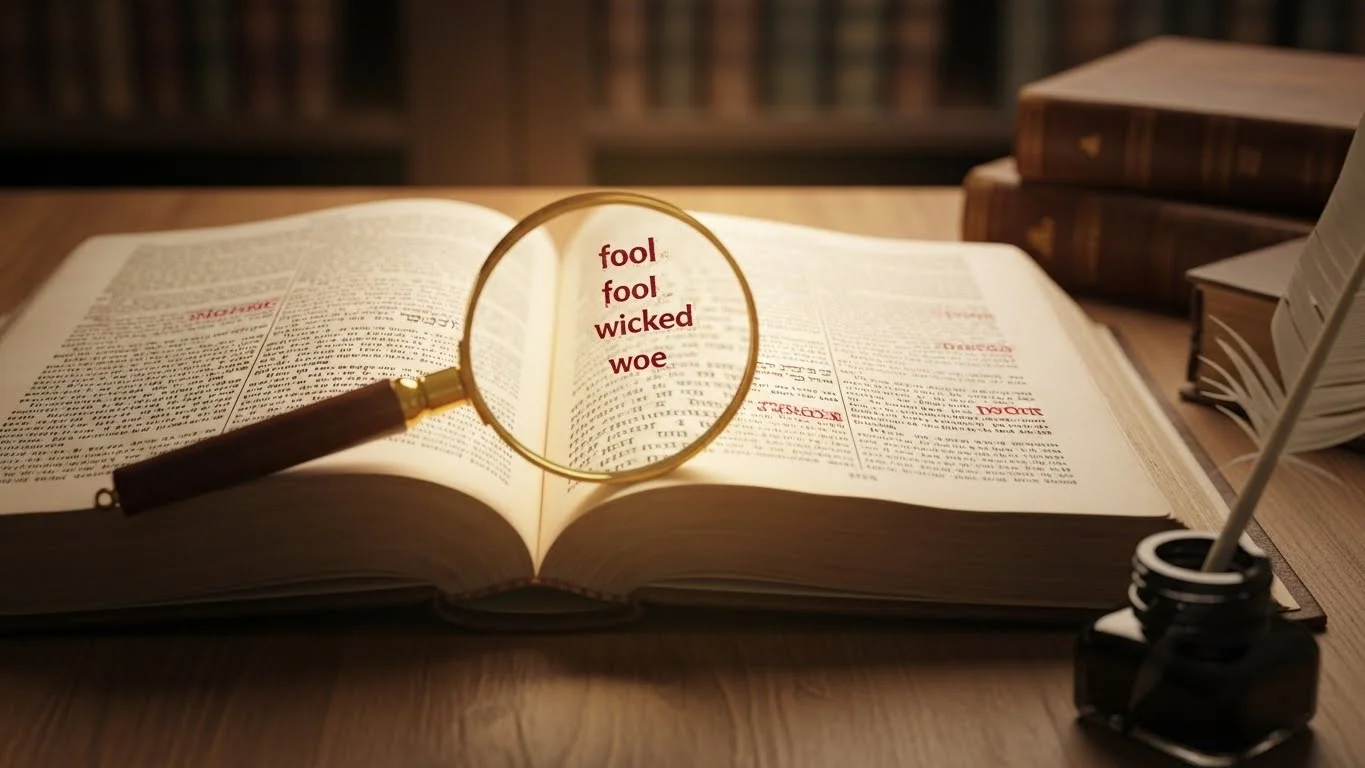
In the King James Version (KJV), you will not find modern slang or profanity, but you will find strong language such as:
- “fool”
- “hypocrite”
- “wicked”
- “vain”
These words were used to describe behavior or moral condition, not casual swearing.
Consequences of Cursing in the Bible
The Bible warns believers about the power of words and the harm of corrupt speech.
James 3:10 (KJV)
“Out of the same mouth proceedeth blessing and cursing. My brethren, these things ought not so to be.”
Ephesians 4:29 (KJV)
“Let no corrupt communication proceed out of your mouth.”
These verses show that speech should build up, not tear down.
Is Swearing a Sin in the Bible
The Bible does not give a simple “yes or no” list of modern swear words, but it clearly teaches that corrupt, hateful, or unkind speech is wrong.
Colossians 3:8 (KJV)
“Put off all these; anger, wrath, malice, blasphemy, filthy communication out of your mouth.”
So, swearing in the sense of abusive or offensive language is generally understood as sinful in Christian teaching.
Don’t Say Bad Words Bible Verse
This topic is about verses encouraging clean and respectful speech.
Ephesians 4:29 (KJV)
“Let no corrupt communication proceed out of your mouth.”
Proverbs 15:1 (KJV)
“A soft answer turneth away wrath.”
These verses guide believers toward kind and gentle speech.
How Many Cuss Words Are in the Bible
There is no exact number of “cuss words” in the Bible because:
- Ancient languages do not match modern profanity
- Words are often translated differently depending on version
What may sound offensive today was often descriptive or moral language in biblical times.
Worst Bad Word in the Bible
The Bible does not contain “bad words” in the modern sense. However, it does contain strong rebukes and moral warnings such as:
Matthew 23:33 (KJV)
“Ye serpents, ye generation of vipers.”
This was a metaphor used by Jesus to rebuke hypocrisy, not casual profanity.
Is Swearing a Sin Yes or No
From a biblical perspective, the issue is not specific words but intent, attitude, and impact.
- Harmful, insulting, or hateful speech → considered sinful
- Clean, respectful speech → encouraged
Matthew 12:36 (KJV)
“Every idle word that men shall speak, they shall give account thereof in the day of judgment.”
Curses as Warnings
“Cursed be anyone who does not uphold the words of this law by carrying them out.”
Deuteronomy 27:26
Curses in the Bible often serve as warnings. They demonstrate the consequences of disobedience and encourage faithfulness to God’s commands.
Speech and Accountability
“Let no corrupting talk come out of your mouths, but only such as is good for building up.”
Ephesians 4:29
While the Bible includes harsh words and curses, it emphasizes responsible speech. Words can harm or heal, so accountability is vital.
Prophetic Curses
“And the Lord said to Moses, ‘I will curse those who curse you.’”
Numbers 24:8
Some curse words are part of prophecy or divine justice, showing God’s intervention in protecting His people.
The Power of Words
“Death and life are in the power of the tongue.”
Proverbs 18:21
Even curses demonstrate the Bible’s teaching that words are powerful. Using them wisely is crucial for spiritual and social life.
Strong Warnings Against Sin
“Cursed is the one who makes a blind person stumble on the road.”
Deuteronomy 27:18
Some curse words in the Bible highlight severe wrongdoing, emphasizing justice and protection of the vulnerable.
Curses as Moral Lessons
“Cursed is everyone who is hanged on a tree.”
Galatians 3:13
This verse illustrates the consequences of sin and disobedience, guiding readers toward righteousness.
Expressing Anger
“Do not let the sun go down on your anger.”
Ephesians 4:26
Some Biblical curses reflect human emotion but are framed to teach restraint, reflection, and reconciliation.
Biblical Examples of Profanity
“They spoke against the Lord and against Moses, saying, ‘Why have you brought us out of Egypt…’”
Numbers 14:2
Strong language sometimes appears when people rebel or express frustration, showing human weakness and God’s response to it.
Using Curses Wisely
“Bless those who curse you; pray for those who abuse you.”
Luke 6:28
The Bible contrasts human cursing with spiritual wisdom, teaching forgiveness and the power of righteous speech.
Prophetic Judgment
“I will send a curse on the city and all who dwell in it.”
Jeremiah 44:8
Curses are sometimes used by God to demonstrate consequences of disobedience or societal corruption.
Strong Language for Emphasis
“They have lips full of lies and speak deceitfully.”
Psalm 5:9
Curse words often serve to emphasize wrongdoing, injustice, or rebellion against God.
Lessons From Biblical Curses
“Cursed is the one who trusts in man.”
Jeremiah 17:5
Curses remind readers to trust in God rather than human strength, emphasizing dependence on divine wisdom.
God’s Justice and Accountability
“Cursed is the one who accepts a bribe to shed innocent blood.”
Deuteronomy 27:25
Many Biblical curse words illustrate justice, reminding communities of moral and ethical responsibility.
The Role of Context
“Do not swear falsely by my name and so profane the name of your God.”
Leviticus 19:12
Words considered curses often have cultural, historical, or legal context; understanding this prevents misinterpretation.
Strong Warnings to Nations
“Cursed is the one who does not uphold justice among the nations.”
Zechariah 8:17
Prophets used strong language and curses to guide nations toward righteousness and justice.
Power of Forgiveness
“Bless those who curse you, pray for those who abuse you.”
Luke 6:28
The Bible teaches that even when curses are pronounced, responding with compassion and forgiveness brings spiritual strength.
Frequent Misunderstandings
“Do not take the Lord’s name in vain.”
Exodus 20:7
Many perceived curse words actually serve as warnings against disrespecting God or others.
Curses for Rebellion
“Cursed be anyone who moves their neighbor’s landmark.”
Deuteronomy 27:17
Rebellious or harmful actions are sometimes met with curses to maintain justice and fairness.
Spiritual Lessons From Curses
“Cursed is everyone who trusts in human strength alone.”
Jeremiah 17:5
These verses teach reliance on God and the consequences of ignoring divine guidance.
Responsibility of Speech
“Set a guard over my mouth, Lord; keep watch over the door of my lips.”
Psalm 141:3
The Bible reminds believers that speech carries responsibility, emphasizing wisdom over harsh or careless words.
