
7 Dragons in the Bible
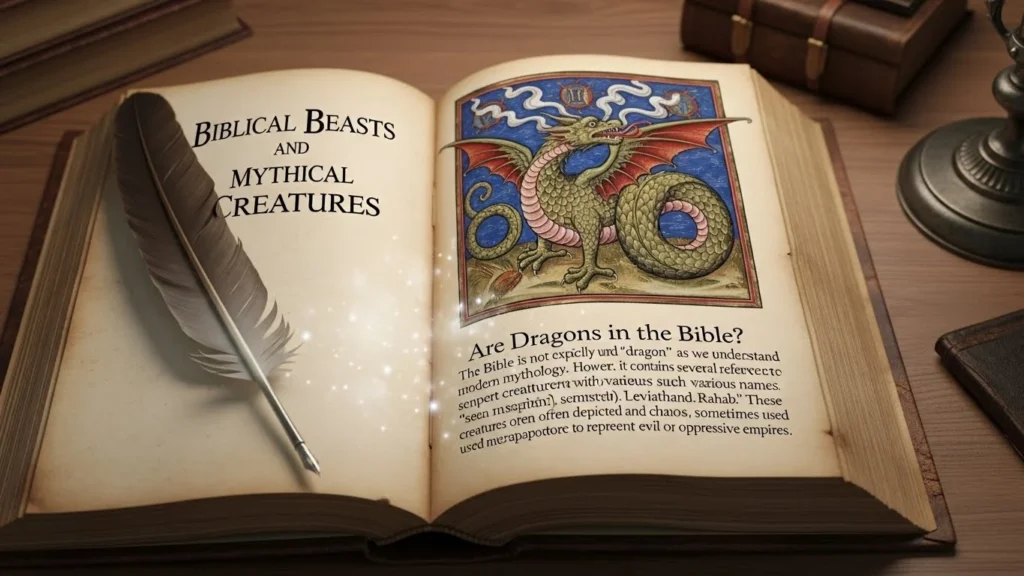
The Bible does not describe “seven specific dragons” as literal creatures. Instead, the word dragon is used symbolically in Scripture, especially in prophetic and poetic passages. In most cases, the “dragon” represents chaos, evil, or spiritual opposition to God’s plan.
One of the most well-known references is in Revelation, where the dragon is clearly identified as Satan:
“And the great dragon was cast out, that old serpent, called the Devil, and Satan…” (Revelation 12:9, KJV)
So when people search for “7 dragons in the Bible,” they are often referring to symbolic interpretations found in apocalyptic books like Revelation, not actual multiple dragon creatures.
Good Dragons in the Bible
The Bible does not present dragons as “good” creatures. Unlike modern fantasy stories, biblical dragons are not heroic or friendly beings. Instead, they are consistently used as symbols of danger, destruction, or evil spiritual forces.
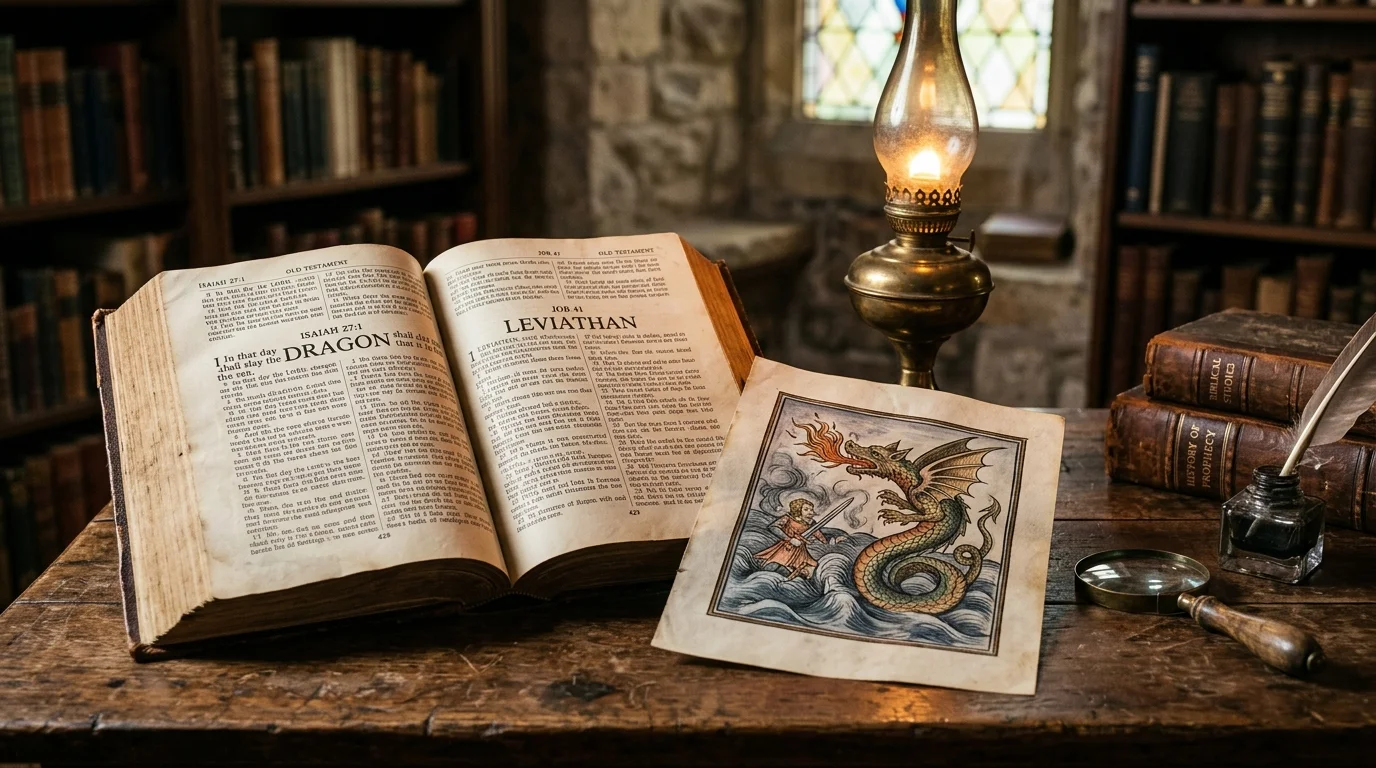
For example, Leviathan is sometimes described in dragon-like imagery:
“Thou brakest the heads of leviathan in pieces…” (Psalm 74:14, KJV)
While some ancient interpretations view such creatures as part of God’s created order, in the Bible itself, they are not portrayed as morally good beings.
Are Dragons in the Bible Good or Bad?
In biblical context, dragons are almost always symbolic of evil, chaos, or powerful opposition to God. The most direct identification is in the Book of Revelation:
“And the great dragon was cast out, that old serpent, called the Devil, and Satan…” (Revelation 12:9, KJV)
This makes it clear that the “dragon” represents Satan and forces of evil in spiritual warfare. Therefore, biblically speaking, dragons are not neutral or good figures—they represent darkness and rebellion against God.
Who Killed a Dragon in the Bible?
The Bible does not record a literal knight or hero killing a physical dragon like in mythology. However, it does use symbolic language of God defeating sea monsters or dragon-like powers.
One example often referenced is God’s victory over Leviathan:
“Thou brakest the heads of leviathan…” (Psalm 74:14, KJV)
In a broader spiritual sense, Revelation shows Christ ultimately defeating the dragon (Satan), symbolizing final victory over evil (Revelation 20:2–10).
Dragon in the Bible (Revelation)
The Book of Revelation contains the most detailed references to the dragon. Here, the dragon represents Satan and is shown as a powerful enemy opposing God’s kingdom:
“And the great dragon was cast out…” (Revelation 12:9, KJV)
The dragon is described with symbolic imagery such as seven heads and ten horns, representing authority, deception, and global influence of evil forces. Revelation portrays its final defeat, showing that God’s power ultimately triumphs over evil.
Dragon in the Bible (Old Testament)
In the Old Testament, the Hebrew words often translated as “dragon” refer to sea monsters or large chaotic creatures like tannin or Leviathan. These are not dragons in the modern sense but symbolic representations of chaos and destruction.
For example:
“Thou didst divide the sea by thy strength: thou brakest the heads of the dragons in the waters.” (Psalm 74:13, KJV)
These passages often symbolize God’s power over chaos and nature rather than literal mythical dragons.
How Many Times Is Dragon Mentioned in the Bible?
The word “dragon” appears multiple times in the King James Version—about 20+ references, depending on translation and interpretation. It is mostly found in:
- Old Testament poetic books (like Psalms and Isaiah)
- Prophetic writings
- The Book of Revelation
In most cases, it is used symbolically rather than describing real animals.
Are Dragons in the Bible Dinosaurs?
Some people connect biblical “dragons” with dinosaurs because of descriptions of large, fearsome creatures like Leviathan. However, the Bible does not use the scientific concept of dinosaurs.
Modern understanding is that:
- “Dragons” in the Bible = symbolic or ancient descriptions of large creatures or spiritual forces
- Dinosaurs = prehistoric animals studied through science and fossils

Dragons Symbolize Chaos
“I will sweep them away with a flood, as I have done to the dragons in the desert.”
Isaiah 34:13-15
In many verses, dragons represent chaos or desolation, often in prophetic warnings about nations or spiritual disorder.
Dragons as Serpents
“Their serpents shall not bite them, nor shall they be harmed by dragons.”
Isaiah 65:25
The “dragon” is sometimes synonymous with a serpent or dangerous beast, emphasizing danger and God’s protective power.
Leviathan and the Dragon
“Can you draw out Leviathan with a fishhook? Or press down his tongue with a cord?”
Job 41:1
Leviathan, often described like a dragon, symbolizes untamable power and God’s supreme control over creation.
Satan as a Dragon
“Then I saw a great red dragon, with seven heads and ten horns, and seven crowns upon his heads.”
Revelation 12:3
In prophetic literature, the dragon represents Satan, illustrating his strength, cunning, and opposition to God.
Dragons in Desolation
“Thorns shall come up in their palaces, nettles and brambles in their fortresses, and dragons shall lie there.”
Isaiah 34:13
Dragons symbolize uninhabitable lands, showing God’s judgment on wickedness and moral decay.
Dragons as Metaphors for Evil
“The Lord rebuke you, O dragon of the wilderness!”
Jeremiah 51:34
Dragons often convey overwhelming evil, danger, or spiritual opposition in metaphorical language.
Dragons in the Sea
“Behold, the sea monsters, the dragons, the mighty creatures of the waters.”
Psalm 74:13-14
Dragons can represent powerful creatures of the sea, highlighting God’s ability to conquer chaotic forces.
Dragons in Prophecy
“The dragon gave his power, throne, and great authority to the beast.”
Revelation 13:2
In apocalyptic visions, dragons serve as symbols of Satan’s influence over worldly powers.
Dragons as Lessons
“You shall tread upon the lion and the adder; the young lion and the dragon you shall trample underfoot.”
Psalm 91:13
Dragons represent dangers or challenges believers may face, demonstrating the need for faith and reliance on God.
Ancient Imagery
“Dragons in the wilderness shall meet them, and serpents in the desert shall bite them.”
Isaiah 35:7
Dragons reflect real fears of large, dangerous creatures in ancient times, often used in poetry and prophecy.
God’s Sovereignty
“You break the heads of Leviathan in pieces, and give him as food to the people inhabiting the wilderness.”
Psalm 74:14
The imagery of dragons or Leviathan emphasizes God’s power over chaos and evil, reassuring believers of His control.
Dragons in Apocalyptic Literature
“And the dragon was thrown down, that ancient serpent, who is called the devil and Satan.”
Revelation 12:9
Dragons are key symbols in end-time prophecy, representing spiritual adversaries defeated by God’s plan.
Dragons Represent Danger
“The wilderness and the desert shall rejoice, and the desert shall blossom; dragons shall flee.”
Isaiah 35:1-2
Dragons often depict threats or destructive forces, teaching spiritual vigilance and reliance on God.
Dragons in Psalms
“You crushed the heads of Leviathan and gave him as food to the creatures of the wilderness.”
Psalm 74:14
The psalms use dragon imagery to celebrate God’s strength and victories over formidable powers.
Dragons in Prophetic Poetry
“The dragons of the wilderness shall lie down there.”
Isaiah 34:13
Dragons illustrate devastation, chaos, or judgment, often emphasizing moral or spiritual lessons.
Dragons as Spiritual Warnings
“The dragon stood before the woman who was about to give birth, to devour her child.”
Revelation 12:4
Dragons in Scripture warn of spiritual danger, encouraging vigilance and faith in God’s protection.
Mythical and Real Creatures
“And he made the wild beasts of the earth, each according to its kind, and the dragon too.”
Job 41 (interpreted)
Some dragons may refer to real large animals known to ancient people, used metaphorically for awe-inspiring power.
Dragons and God’s Justice
God will bring down the dragon, and destroy the forces of evil.”
Psalm 74:14-15
Dragons represent forces opposed to God’s justice, highlighting His ultimate authority.
Fearless Faith
“You shall tread upon the young lion and the dragon.”
Psalm 91:13
Dragons symbolize danger, reminding believers that faith allows them to overcome spiritual and physical threats.
