
Cremation Bible Verses
The Bible does not give a direct command about cremation vs burial. However, it does describe many burials and a few cases where bodies were burned, usually in unusual or tragic situations.
Commonly referenced verses include:
- Burial of Abraham, Sarah, and others (Genesis 23:19)
- Burial of Jesus Christ (Matthew 27:59–60)
- Burning of bodies in specific judgment or emergency situations
Overall, the Bible emphasizes respect for the body after death, but does not clearly command one method.
Who Was Cremated in the Bible
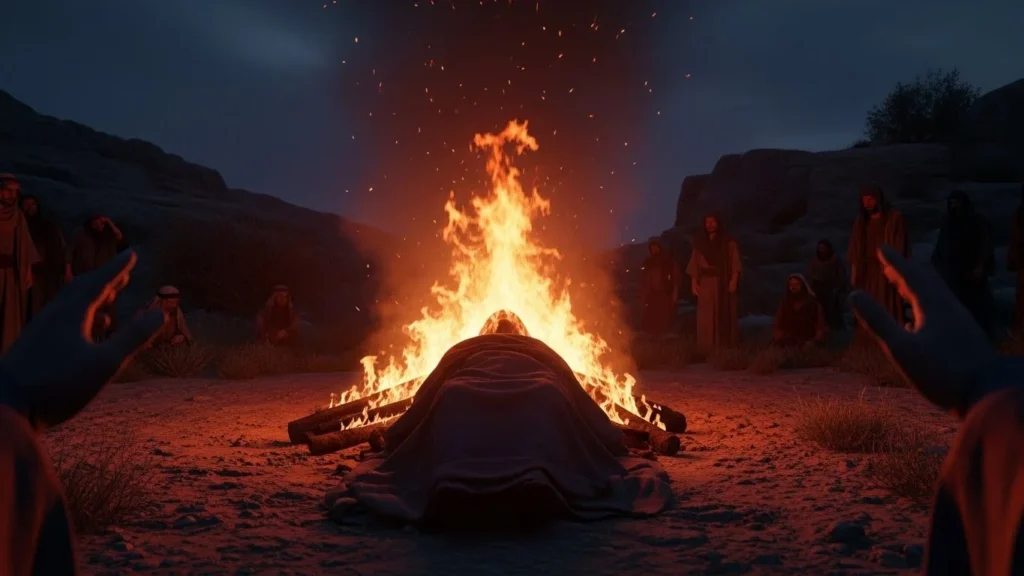
Cremation (burning of bodies) is rarely described in a normal burial context. One clear example is:
From the First Book of Samuel:
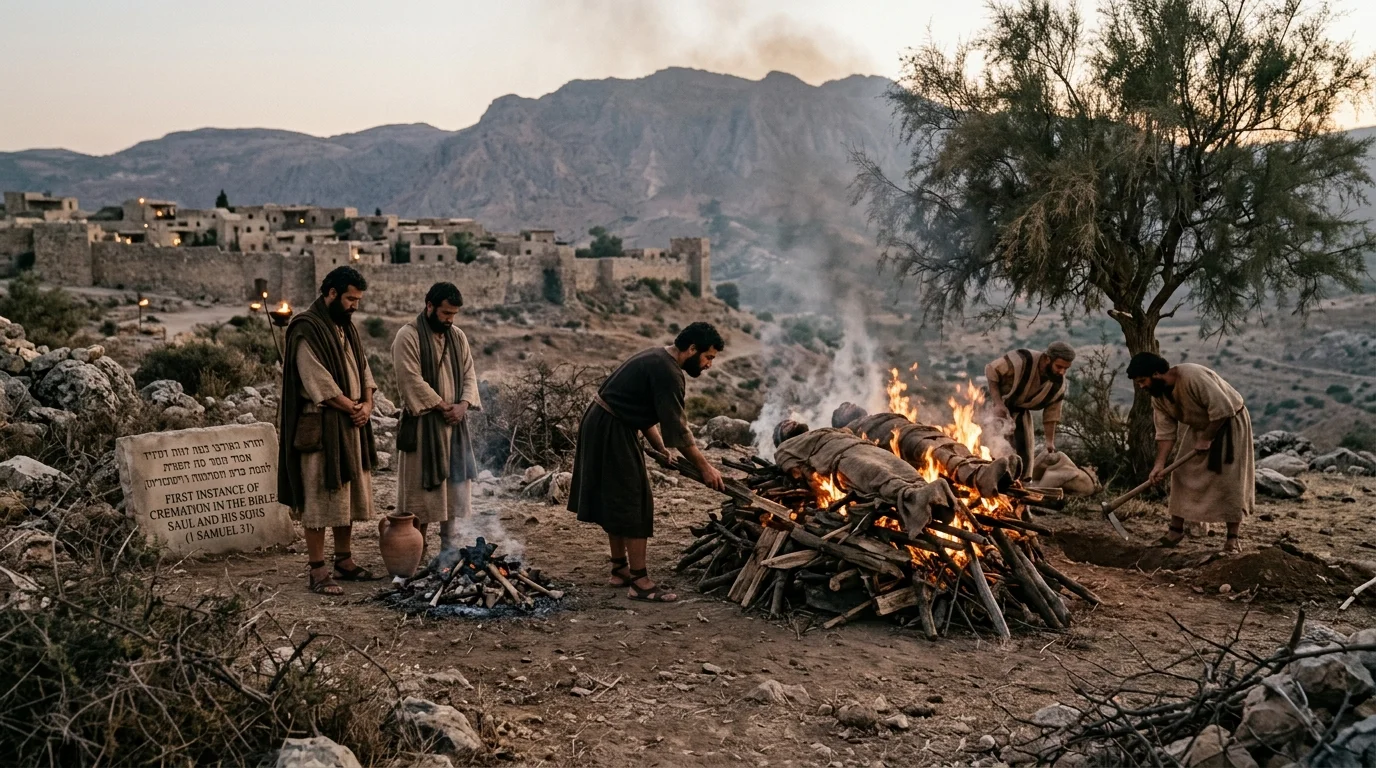
- Saul and his sons’ bodies were burned after death in battle (1 Samuel 31:11–13)
This was not a standard practice but likely done due to war, mutilation, or urgency.
1 Samuel 31:11–13 Meaning
This passage describes how the men of Jabesh-Gilead:
- Retrieved Saul and his sons’ bodies
- Burned them
- Buried their bones afterward
This suggests:
- It was an exceptional case, not a general instruction
- Burial was still the final respectful act (bones were buried)
Does the Bible Say a Cremated Body Can’t Rise?
No, the Bible does not say cremated bodies cannot be resurrected.
Christian belief in resurrection is based on God’s power, not physical condition of the body.
From the First Epistle to the Corinthians:
“The dead will be raised imperishable.” — 1 Corinthians 15:52
This teaches that resurrection depends on God, not whether a body was buried or cremated.
What Does the Bible Say About Cremation — Is It a Sin?
The Bible does not explicitly say cremation is a sin.
Key points:
- Burial is the most commonly shown practice
- Cremation is not directly forbidden
- Focus is on honor, respect, and faith in resurrection
Many Christian traditions prefer burial, but biblically, cremation is generally seen as a matter of tradition, not sin.
Why Is Cremation Forbidden in Christianity (Common Belief)
Some Christian groups discourage cremation based on tradition, not a direct command in Scripture.
Reasons often given:
- Biblical pattern of burial (especially Jesus’ burial)
- Symbolism of the body as God’s creation
- Belief in bodily resurrection
However, this is denominational teaching, not a universal biblical law.
What Does the King James Version Say About Cremation
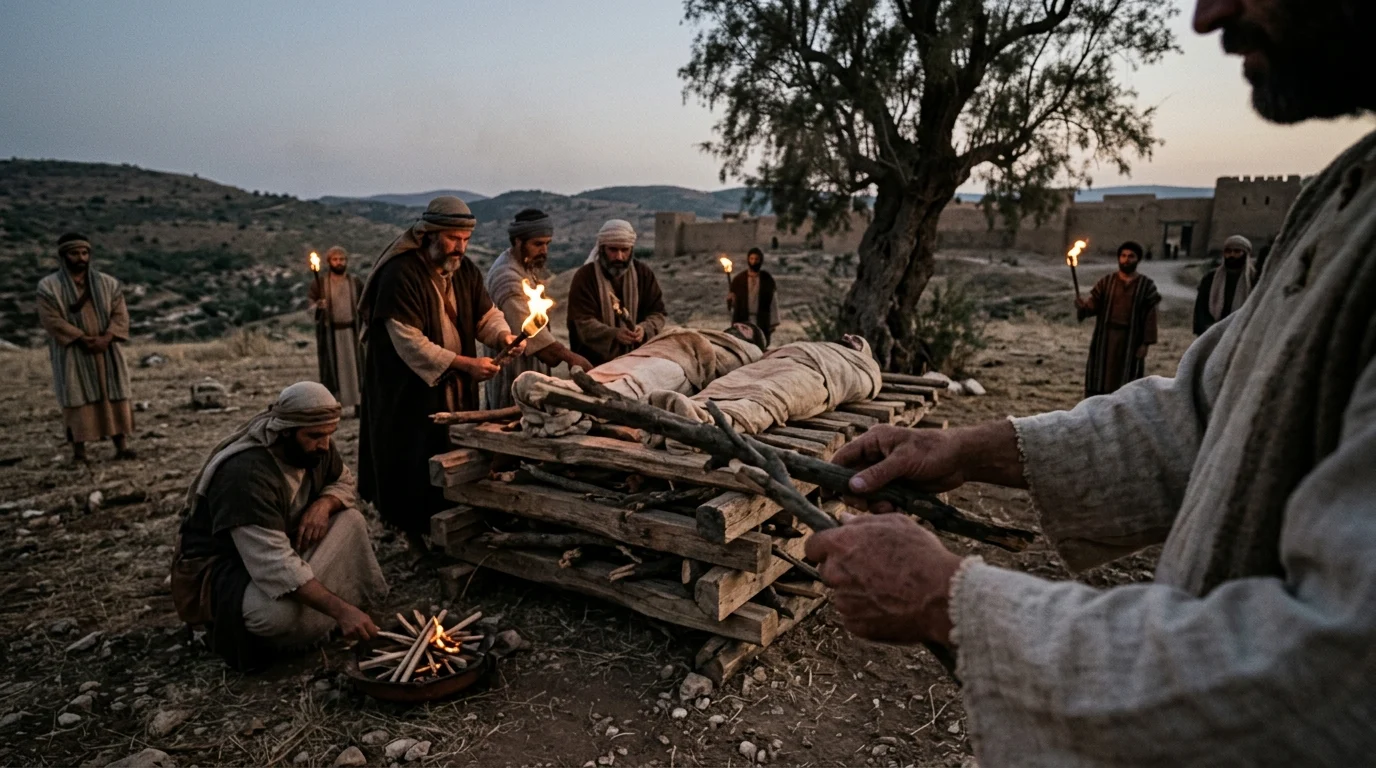
The Book of 1 Samuel (KJV) in 1 Samuel 31:12–13 describes:
- Bodies were burned
- Then bones were buried under a tree
The KJV does not comment on cremation as a rule, only describes the event.
Simple Summary
- Bible does not clearly forbid cremation
- Burial is the most common biblical practice
- 1 Samuel 31 shows a rare case of burning bodies
- Resurrection depends on God, not burial method
- Cremation is viewed as tradition, not sin in most interpretations
Reverence for the Body
“You are dust, and to dust you shall return.” — Genesis 3:19
This verse highlights the natural cycle of life. God’s design for humanity reminds readers of dignity and purpose even beyond death.
Early Burial Patterns
“Abraham buried Sarah his wife.” — Genesis 23:19
Burial was the most common practice in ancient Hebrew tradition, showing respect and care for loved ones.
Cultural Context of Burial
“Then Jacob breathed his last… and was gathered to his people.” — Genesis 49:33
The phrase “gathered to his people” reflects traditional burial customs rather than cremation.
Instances of Burning in Scripture
“They burned the city with fire.” — Joshua 6:24
Fire often symbolized judgment, purification, or destruction rather than a burial ritual.
Use of Fire in Mourning Rites
“They burned spices for him.” — 2 Chronicles 16:14
Burning spices honored royalty, showing respect without involving cremation of the body.
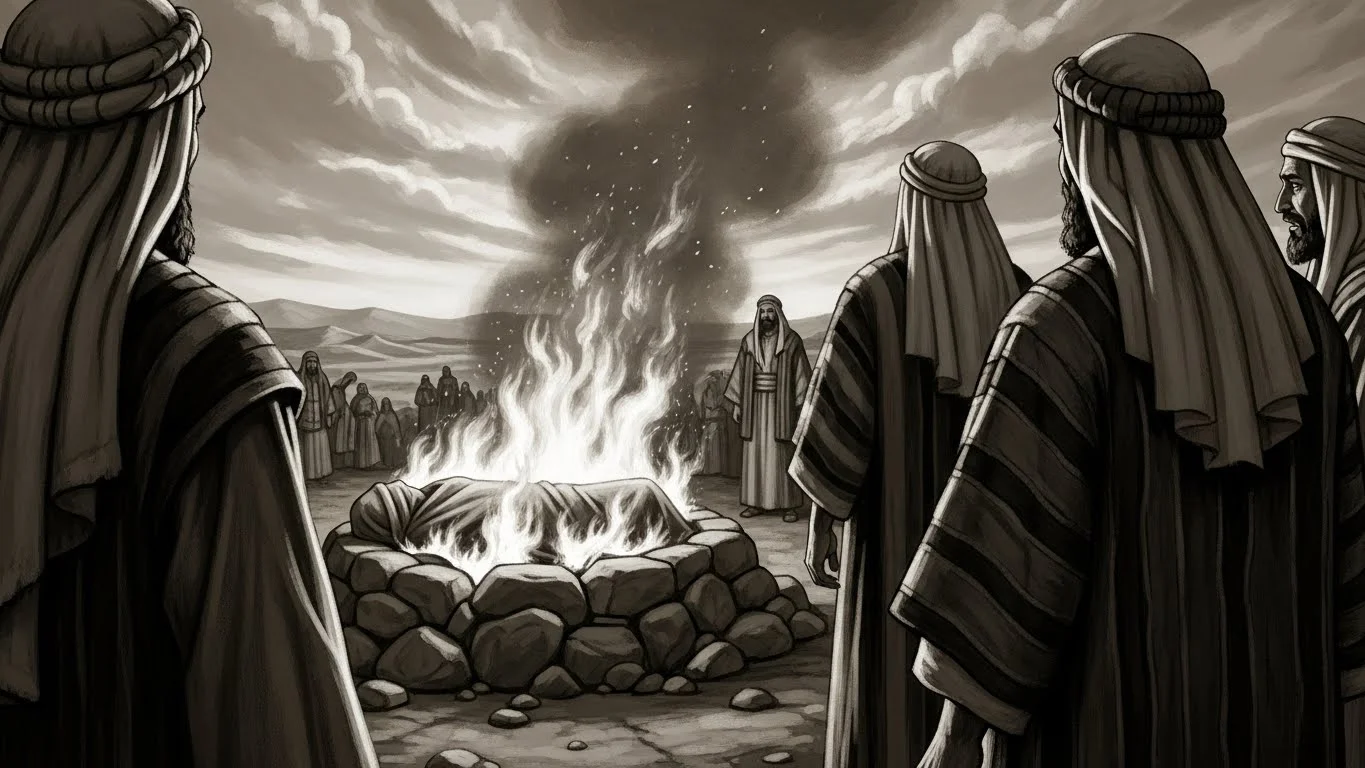
Uncommon Cremation-Like Events
“The men of Jabesh-Gilead… burned them there.” — 1 Samuel 31:12
This is one of the few recorded instances resembling cremation, related to unusual wartime circumstances.
Honoring Those Lost
“David lamented with this lamentation.” — 2 Samuel 1:17
Grief and respect for the deceased were central to biblical mourning practices.
Symbolism of Fire
“Our God is a consuming fire.” — Hebrews 12:29
Fire symbolizes power, purity, and divine presence—not necessarily cremation.
Returning to the Earth
“All go to the same place.” — Ecclesiastes 3:20
The Bible emphasizes returning to the earth, which aligns more closely with burial traditions.
Dignity in Death
“Precious in the sight of the Lord is the death of His faithful servants.” — Psalms 116:15
The value God places on every life extends beyond earthly customs.
Respect for the Human Body
“The body is a temple.” — 1 Corinthians 6:19
This verse reflects reverence and care for the physical body, influencing how communities handle burial.
Mourning with Hope
“The Lord is close to the brokenhearted.” — Psalms 34:18
This reassurance supports those exploring topics of loss, grief, and remembrance.
Historical Variations
“There is a time for everything… a time to mourn.” — Ecclesiastes 3:1–4
Cultures changed over time, and burial practices adapted based on circumstances.
Fire as Purification
“He will sit as a refiner and purifier of silver.” — Malachi 3:3
Fire represents purification, showing symbolic meaning rather than literal cremation practice.
Acts of Respect
“Bury me with my fathers.” — Genesis 49:29
Family burial sites were significant in biblical tradition, demonstrating generational connection.
Body and Spirit
“The spirit returns to God who gave it.” — Ecclesiastes 12:7
Scripture emphasizes the spiritual journey more than the physical process after death.
Hope Beyond Death
“To be absent from the body is to be present with the Lord.” — 2 Corinthians 5:8
This verse highlights spiritual security beyond earthly customs.
Remembrance and Legacy
“The memory of the righteous is a blessing.” — Proverbs 10:7
Legacy matters more than the method of burial, as righteousness leaves a lasting imprint.
God’s Care in Every Season
“The steadfast love of the Lord never ceases.” — Lamentations 3:22
God’s compassion remains constant, offering comfort in discussions about life and death.
Peace in Understanding
“You will keep in perfect peace those whose minds are steadfast.” — Isaiah 26:3
Peace comes from trusting God’s wisdom, even in topics that raise questions or uncertainty.
