
Who Are the 17 Prophets in the Old Testament
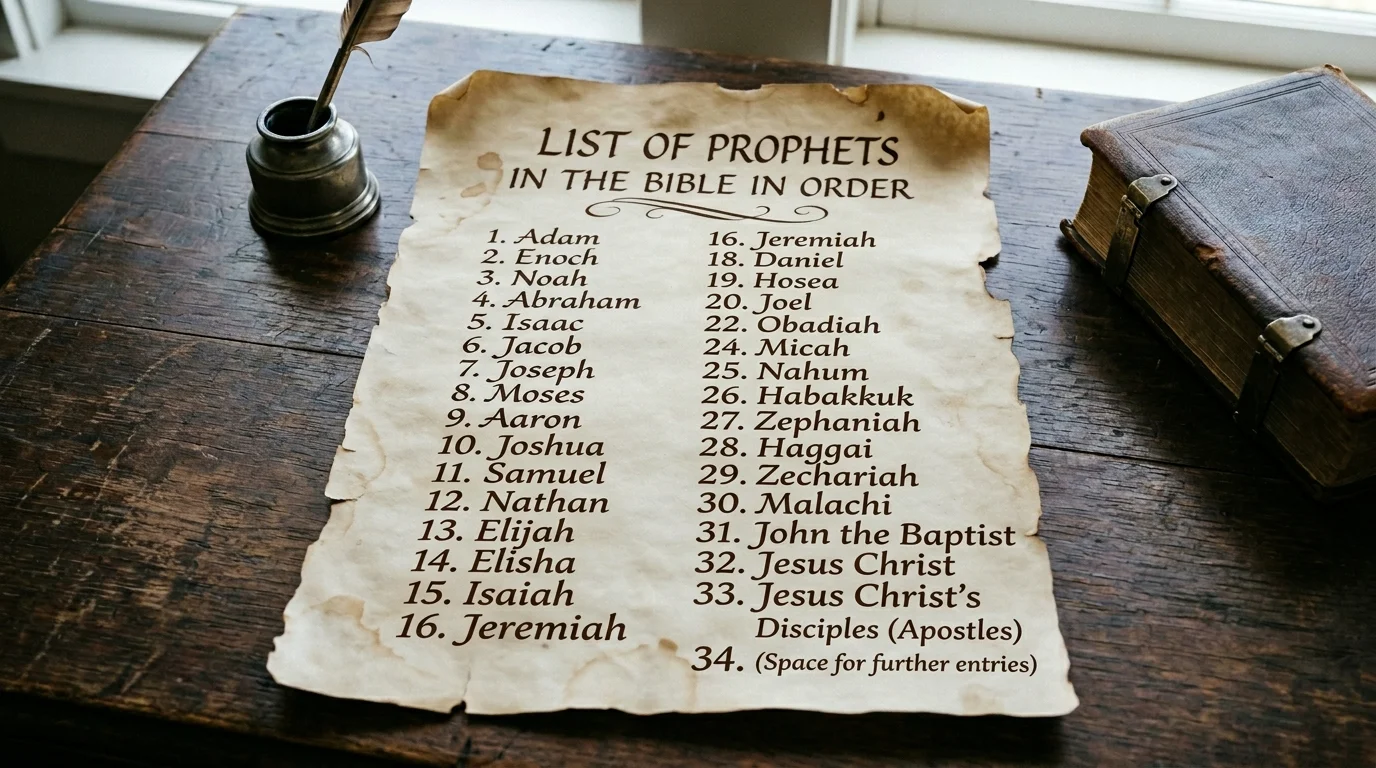
There is no single official “17 prophets list” in the Bible. Different traditions count prophets differently. However, a common simplified grouping of major Old Testament prophets includes figures such as:
- Moses
- Samuel
- Nathan
- Elijah
- Elisha
- Isaiah
- Jeremiah
- Ezekiel
- Daniel
- Hosea
- Joel
- Amos
- Obadiah
- Jonah
- Micah
- Nahum
- Habakkuk
These names come from both major prophets and commonly recognized prophetic figures, but the Bible does not officially limit them to 17.
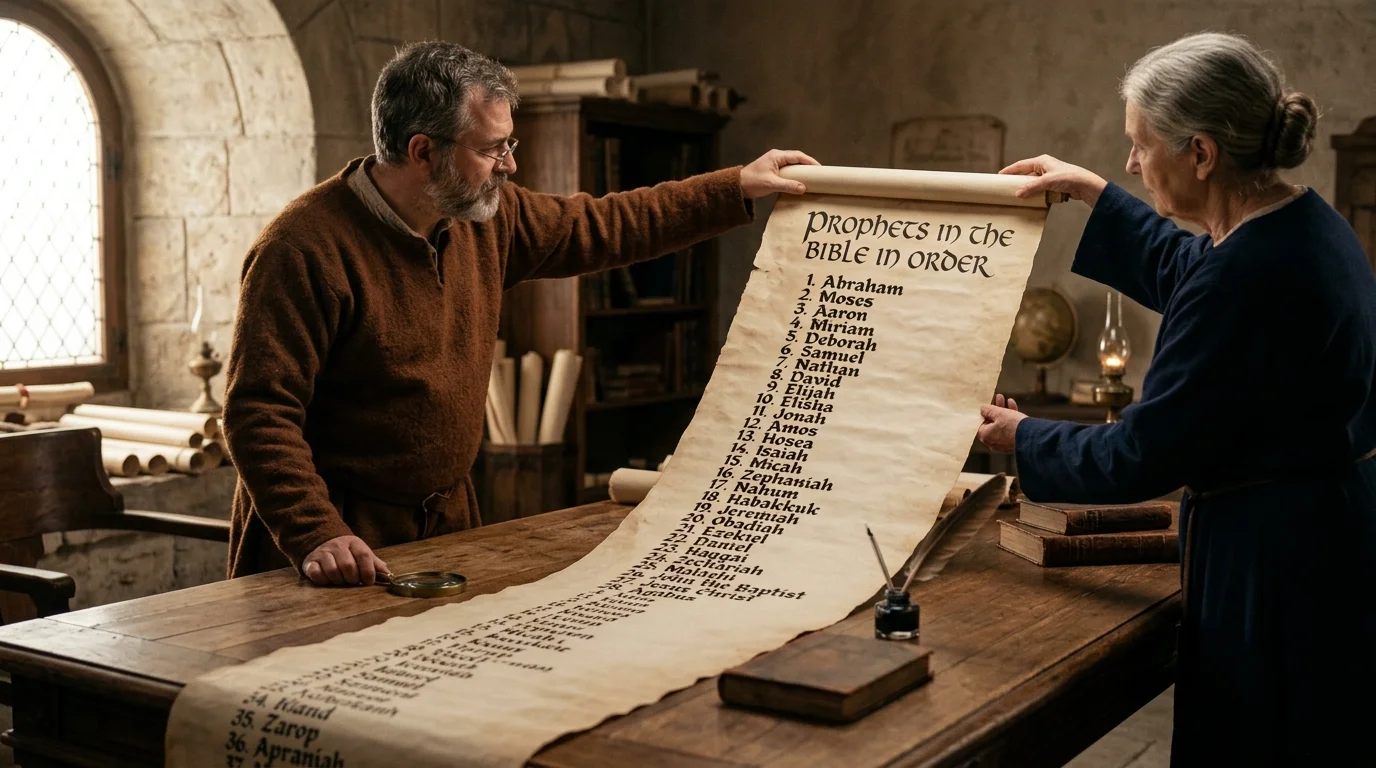
Prophets of the Bible in Chronological Order (Overview)
A strict chronological order is difficult because many prophets overlapped in time. However, a general timeline is:
- Early prophets: Moses, Samuel
- Kingdom period prophets: Elijah, Elisha
- Assyrian period: Jonah, Amos, Hosea, Micah, Isaiah
- Babylonian period: Jeremiah, Ezekiel, Daniel
- Post-exile prophets: Haggai, Zechariah, Malachi
This order shows how God sent prophets across different historical eras.
List of Prophets in the Bible (PDF Concept)
While there is no single “official PDF list,” a complete Bible prophet list typically includes:
Major Prophets
- Isaiah
- Jeremiah
- Ezekiel
- Daniel
Minor Prophets
- Hosea
- Joel
- Amos
- Obadiah
- Jonah
- Micah
- Nahum
- Habakkuk
- Zephaniah
- Haggai
- Zechariah
- Malachi
Together, they are often called “the writing prophets” in the Old Testament.
List of Prophets in the New Testament
The New Testament includes fewer named prophets, but key figures include:
- John the Baptist (considered the greatest prophet of the New Testament era)
- Agabus (Acts 11:28, Acts 21:10)
- Judas and Silas (Acts 15:32)
- Philip’s daughters (Acts 21:9)
Prophecy in the New Testament is more connected to the Holy Spirit working through believers rather than a large list of named prophets.
Who Are the 24 Prophets in the Bible
The number “24 prophets” is not a standard biblical classification, but some traditions combine major biblical figures into symbolic groups of 24. This may include:
- 4 Major Prophets
- 12 Minor Prophets
- Additional figures like Moses, Samuel, Elijah, Elisha, Nathan, Gad, etc.
Different scholars and teachings may arrange them differently, so the number varies by tradition, not Scripture.
List of Prophets in the Old Testament
A commonly accepted Old Testament prophet list includes:
- Moses
- Samuel
- Gad
- Nathan
- Elijah
- Elisha
- Isaiah
- Jeremiah
- Ezekiel
- Daniel
- Hosea
- Joel
- Amos
- Obadiah
- Jonah
- Micah
- Nahum
- Habakkuk
- Zephaniah
- Haggai
- Zechariah
- Malachi
How Many Prophets Are in the Bible and Their Names
There is no fixed number of prophets in the Bible. Estimates vary depending on interpretation:
- Major recognized prophets: 16–18 commonly listed
- Including all prophetic figures: 20–30+ individuals
This variation happens because:
- Some prophets are unnamed
- Some judges and leaders also acted as prophets
- Different traditions count differently
Who Are the 23 Prophets in the Bible
There is no official “23 prophets” list in Scripture. However, some teachings combine figures like this:
- Moses
- Aaron
- Miriam
- Samuel
- Nathan
- Gad
- Elijah
- Elisha
- Isaiah
- Jeremiah
- Ezekiel
- Daniel
- Hosea
- Joel
- Amos
- Obadiah
- Jonah
- Micah
- Nahum
- Habakkuk
- Zephaniah
- Haggai
- Zechariah
- Malachi
This makes a symbolic total of 23 in some study traditions, but it is not an official biblical category.
Adam: The First to Hear God’s Voice
“‘And God blessed them…’” — Genesis 1:28
Adam represents the beginning of humanity’s communication with God, receiving direct instruction and guidance.
Enoch: The One Who Walked With God
“‘Enoch walked with God; then he was no more.’” — Genesis 5:24
Enoch’s closeness to God shows the prophetic nature of a life deeply aligned with divine purpose.
Noah: Prophet of Righteousness
“‘Noah did all that God commanded him.’” — Genesis 6:22
Noah warned his generation and acted in obedience, reflecting trust in God’s direction.
Abraham: Called to a Covenant Relationship
“‘Walk before Me and be blameless.’” — Genesis 17:1
Abraham received promises, visions, and prophetic guidance that shaped future generations.
Isaac: The Promised Son With Divine Blessings
“‘I will be with you and bless you.’” — Genesis 26:3
Isaac continued the prophetic lineage by receiving God’s reassurance and covenant.
Jacob: Receiver of Visions and Blessings
“‘I am with you and will watch over you.’” — Genesis 28:15
Jacob’s dreams and future prophecies made him a foundational figure in Scripture.
Joseph: Interpreter of Dreams
“‘Do not interpretations belong to God?’” — Genesis 40:8
Joseph’s prophetic gift brought clarity, purpose, and rescue to nations.
Moses: The Greatest Prophet of Israel
“‘I will be with your mouth and teach you.’” — Exodus 4:12
Moses received laws, visions, and instructions, guiding an entire people.
Aaron: Spokesman and Leader
“‘I will be with your mouth.’” — Exodus 4:15
Aaron served alongside Moses, speaking God’s messages to the people.
Miriam: Prophetess of Praise
“‘Miriam the prophetess took a timbrel.’” — Exodus 15:20
Her leadership and worship expressed God’s deliverance.
Joshua: Successor Appointed by God
“‘Be strong and courageous.’” — Joshua 1:9
Joshua’s leadership reflected prophetic courage and obedience.
Deborah: Judge and Prophetess
“‘Deborah, a prophetess, was judging Israel.’” — Judges 4:4
Deborah spoke wisdom and provided strength for the people.
Samuel: A Bridge Between Eras
“‘Speak, for Your servant hears.’” — 1 Samuel 3:10
Samuel marked a major transition, guiding kings and shaping direction.
Nathan: Advisor With Courage
“‘Thus says the Lord…’” — 2 Samuel 12:7
Nathan spoke truth with conviction and compassion.
Elijah: Prophet of Fire and Faith
“‘The word of the Lord came to Elijah.’” — 1 Kings 17:2
Elijah’s boldness showed God’s unmatched power and authority.
Elisha: Prophet of Miracles
“‘Where is the Lord, the God of Elijah?’” — 2 Kings 2:14
Elisha carried a double portion of prophetic influence and compassion.
Isaiah: Prophet of Hope and Restoration
“‘Here am I, send me.’” — Isaiah 6:8
Isaiah’s writings include powerful visions of peace and renewal.
Jeremiah: Prophet With a Weeping Heart
“‘Before you were born I appointed you.’” — Jeremiah 1:5
Jeremiah’s messages carried deep emotion, calling for spiritual return.
Ezekiel: Prophet of Visions
“‘The hand of the Lord was upon me.’” — Ezekiel 1:3
Ezekiel’s symbolic messages brought understanding during exile.
Daniel: Prophet of Wisdom and Revelation
“‘God reveals deep and hidden things.’” — Daniel 2:22
Daniel’s visions offer clarity about God’s sovereignty through all generations.
