
Examples of Consecration in the Bible
This topic refers to people or objects being set apart for God’s special purpose. In the Bible, consecration often involved dedication, purification, prayer, and obedience.
Some biblical examples include:
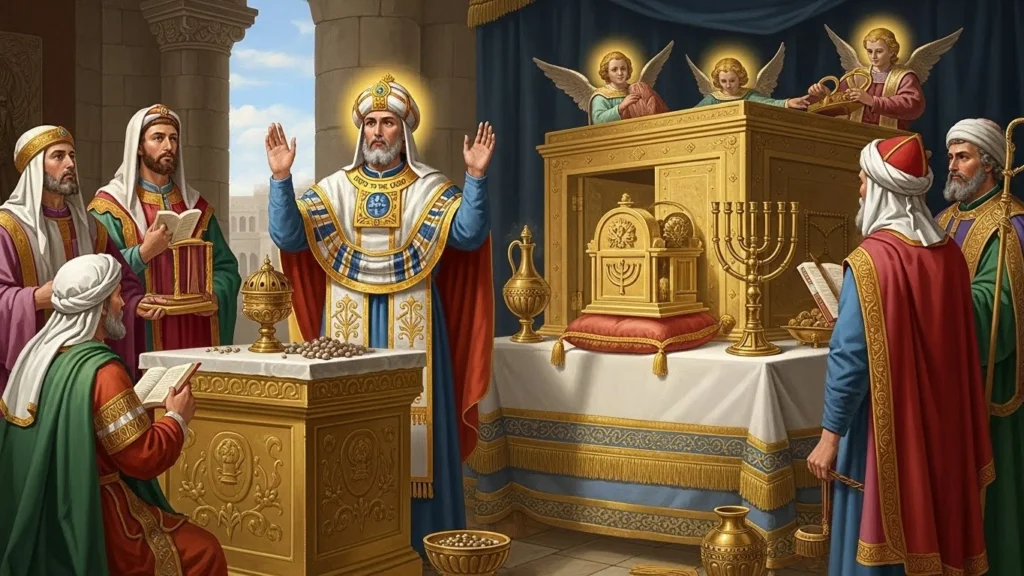
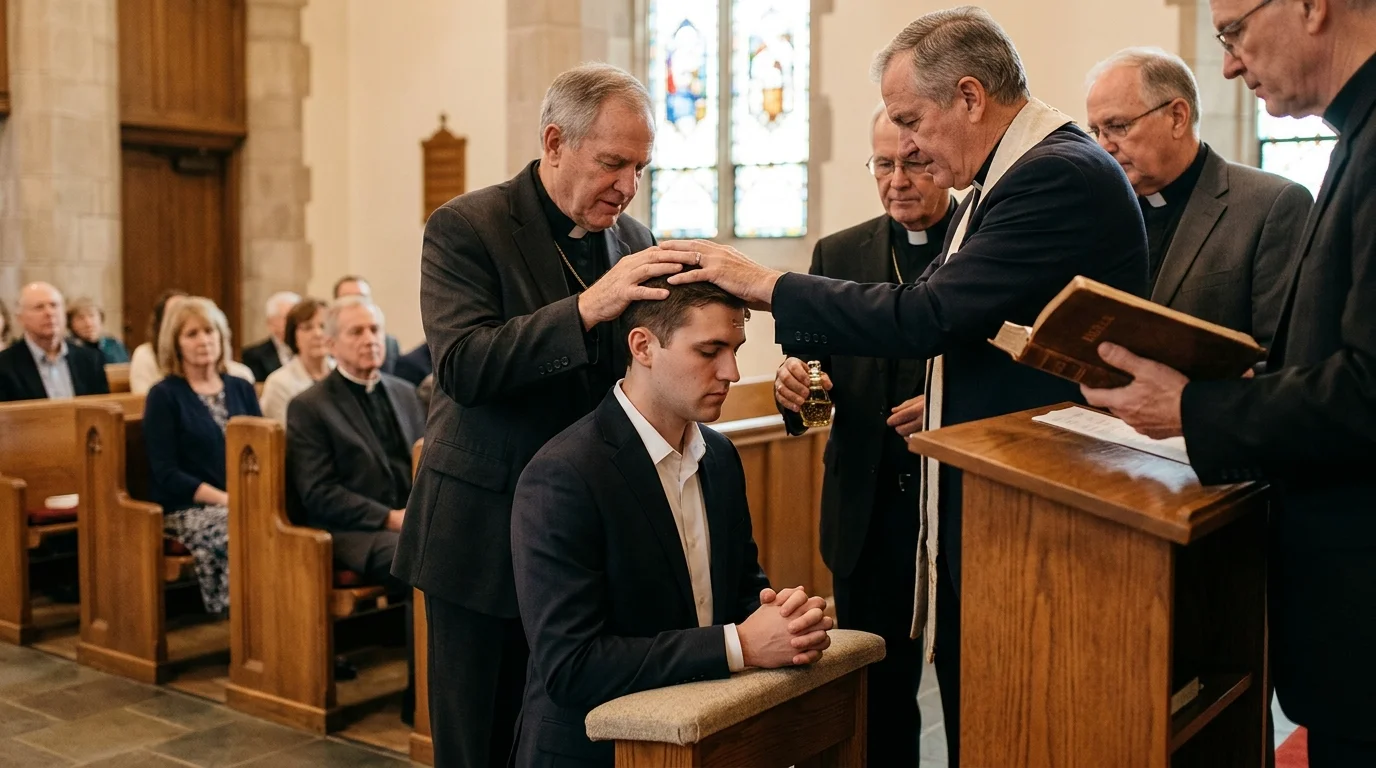
Priests consecrated for service
“Consecrate them so they may serve Me as priests.” — Exodus 28:41
The Israelites preparing to meet God
“Consecrate yourselves, for tomorrow the Lord will do amazing things among you.” — Joshua 3:5
Jesus setting Himself apart for God’s mission
“For them I sanctify Myself.” — John 17:19
These examples show consecration as a commitment to God’s purpose and holiness.
5 Benefits of Consecration
This topic focuses on the spiritual blessings and growth that come from dedicating oneself to God.
Some commonly understood benefits include:
- Closer relationship with God
- Spiritual growth and maturity
- Greater discipline and focus
- Guidance and wisdom
- Peace and purpose in life
A related verse is:
“Draw near to God, and He will draw near to you.” — James 4:8
Consecration helps believers focus their lives more fully on faith and obedience.
Consecrate Meaning
The word “consecrate” means:
- To set apart for a holy purpose
- To dedicate something or someone to God
- To devote oneself fully to spiritual service
In the Bible, consecration often included prayer, worship, purification, and commitment.
A simple biblical example:
“Consecrate yourselves and be holy.” — Leviticus 20:7
This verse highlights the idea of living in dedication to God.
How to Consecrate Yourself to God
This topic refers to steps believers take to dedicate their life more fully to God through faith, prayer, and obedience.
Common practices include:
- Prayer and worship
- Repentance from sin
- Reading Scripture
- Fasting
- Living with integrity and humility
A key verse is:
“Offer your bodies as a living sacrifice, holy and pleasing to God.” — Romans 12:1
Consecration is often understood as a daily commitment to live according to God’s will.
Types of Consecration in the Bible
This query refers to the different ways consecration appears in Scripture.
Common biblical types include:
- Personal consecration — dedicating oneself to God
- Priestly consecration — setting apart priests for ministry
- Temple or object consecration — dedicating sacred places or items
- National consecration — entire groups preparing spiritually before God
A related verse:
“Set yourselves apart to the Lord.” — Exodus 32:29
Importance of Consecration in Bible
This topic focuses on why consecration is important in spiritual life. The Bible presents consecration as a way of honoring God through obedience, purity, and devotion.
A meaningful verse is:
“Be holy, because I am holy.” — 1 Peter 1:16
Consecration encourages believers to live with purpose, discipline, and spiritual commitment.
Scriptures on Consecration and Sanctification
This query refers to Bible verses about being set apart and spiritually purified. Consecration and sanctification are closely connected themes in Scripture.
A key verse is:
“Sanctify them by the truth; Your word is truth.” — John 17:17
Another important verse:
“For this is the will of God, your sanctification.” — 1 Thessalonians 4:3
These verses teach that spiritual growth comes through truth, faith, and obedience to God.
Consecrate Yourself Meaning
The phrase “consecrate yourself” means to:
- Dedicate yourself fully to God
- Prepare spiritually
- Live in holiness and obedience
- Separate yourself from sinful behavior
A well-known verse is:
“Consecrate yourselves, for tomorrow the Lord will do amazing things among you.” — Joshua 3:5
This verse shows consecration as preparation for experiencing God’s work and guidance.
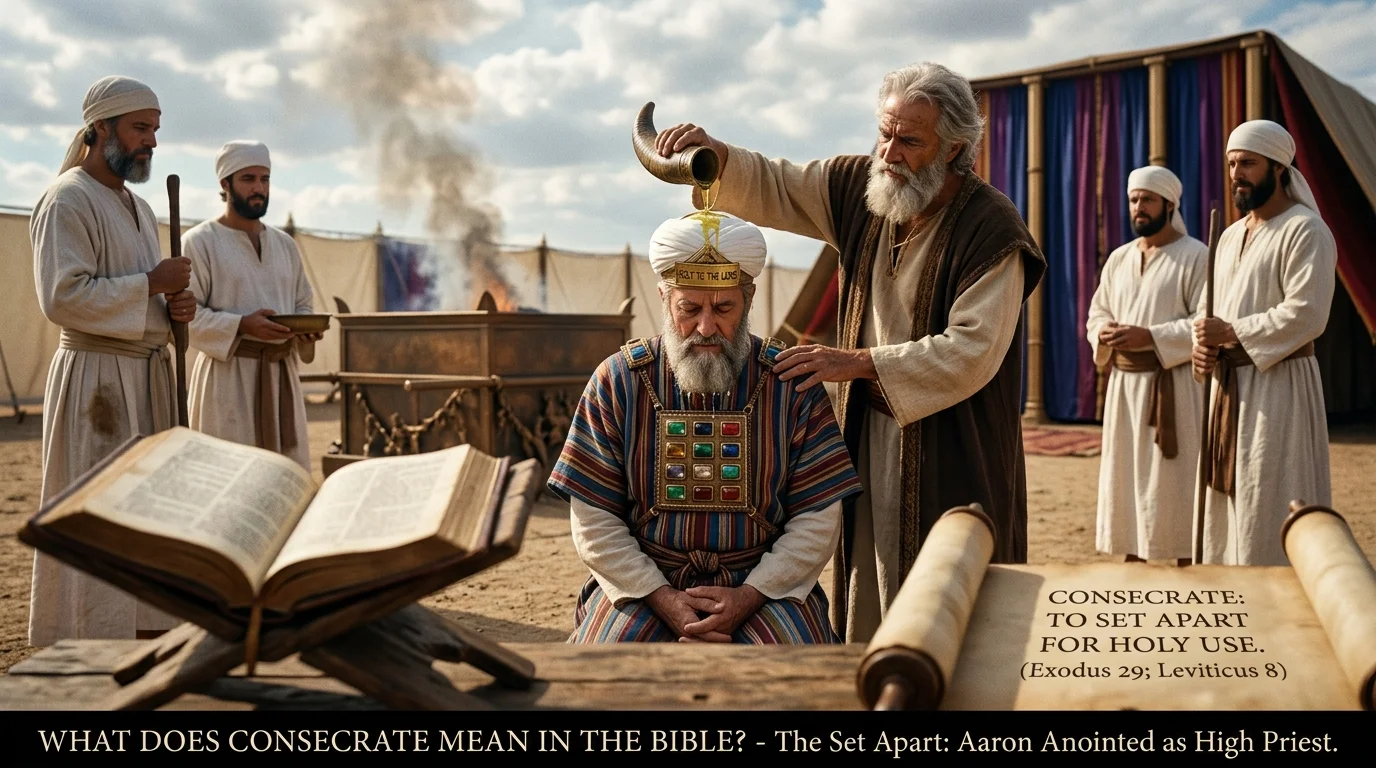
Consecrate Means Being Set Apart
“Consecrate yourselves and be holy, because I am holy.” — Leviticus 11:44
In Scripture, consecration means being set apart from ordinary things for a sacred purpose.
Consecration Involves Dedication
“Dedicate to the Lord the firstborn offspring of every womb.” — Exodus 13:12
To consecrate also means to dedicate something fully to divine use or service.
Consecration Reflects Purity
“Wash yourselves; make yourselves clean.” — Isaiah 1:16
Consecration often involves purification as a symbol of readiness for sacred work.
Consecration Requires Intention
“Present your bodies as a living sacrifice, holy and acceptable to God.” — Romans 12:1
It reflects an intentional choice to align oneself with divine purpose.
Consecrated Things Become Sacred
“Take off your sandals, for the place where you are standing is holy ground.” — Exodus 3:5
Objects and places become sacred when consecrated through divine presence.
Consecration Involves a Change of Purpose
“You are a chosen people, a royal priesthood.” — 1 Peter 2:9
Something ordinary becomes extraordinary when set apart for holy purpose.
Consecration Is Connected to Obedience
“Obey my laws and follow them. I am the Lord who makes you holy.” — Leviticus 20:8
Obedience strengthens consecration and expresses devotion.
Prayer Makes the Heart Consecrated
“Create in me a pure heart, O God.” — Psalms 51:10
Consecration begins inwardly as the heart seeks purity and alignment.
Consecration Can Be Personal or Collective
“Consecrate the whole assembly.” — Exodus 19:10
In the Bible, entire communities were often consecrated for sacred events.
Consecration Often Prepares for Transformation
“Consecrate yourselves, for tomorrow the Lord will do amazing things among you.” — Joshua 3:5
Setting oneself apart prepares the heart to witness spiritual growth.
Consecration Honors Divine Presence
“The glory of the Lord filled the temple.” — 2 Chronicles 7:1–2
Sacred spaces were consecrated as signs of reverence and honor.
Consecration Brings Spiritual Clarity
“Draw near to God and he will draw near to you.” — James 4:8
A consecrated life draws closer to divine wisdom and direction.
Consecration Helps Remove Distractions
“Let us throw off everything that hinders.” — Hebrews 12:1
Setting oneself apart includes letting go of anything that blocks spiritual growth.
Consecration Reflects Devotion
“Serve the Lord with all your heart.” — 1 Samuel 12:20
Devotion and consecration go hand in hand.
Consecration Is a Lifelong Process
“He who began a good work in you will carry it on to completion.” — Philippians 1:6
Consecration is an ongoing journey of becoming more spiritually aligned.
Consecration Strengthens Spiritual Identity
“You are the light of the world.” — Matthew 5:14
A consecrated life shines with purpose and clarity.
Consecration Connects With Purpose
“For I know the plans I have for you.” — Jeremiah 29:11
Being set apart opens the door to deeper spiritual significance.
Consecration Calls for Reflection
“Search me, O God, and know my heart.” — Psalms 139:23
Self-examination helps nurture a consecrated lifestyle.
Consecration Enhances Peace
“Great peace have those who love your law.” — Psalms 119:165
Living set apart brings calmness and spiritual grounding.
Consecration Offers Renewal
“Be renewed in the spirit of your mind.” — Ephesians 4:23
A consecrated mind seeks renewal and transformation daily.
