
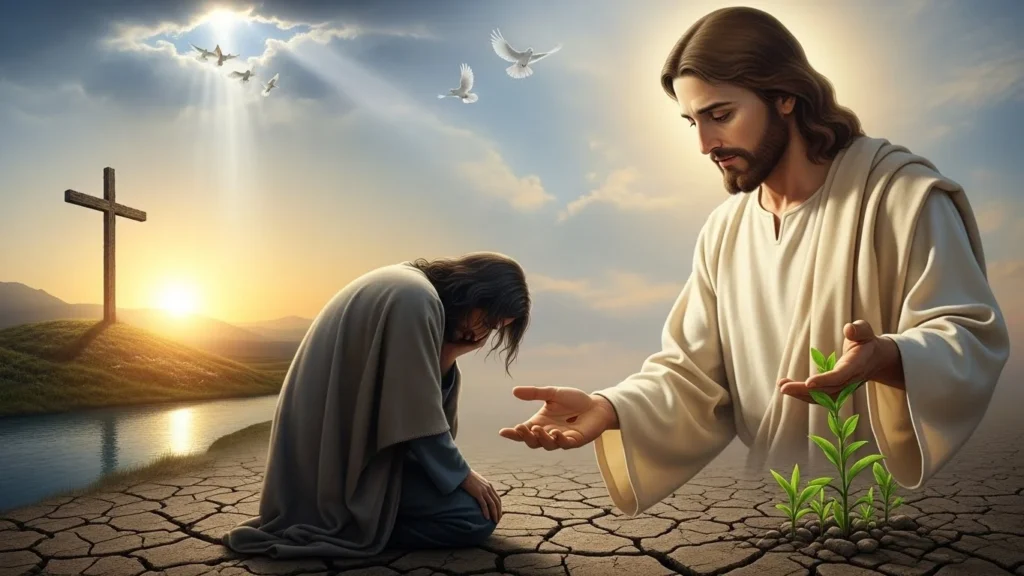
Forgiveness Is God’s Command
“Be kind and compassionate to one another, forgiving each other, just as in Christ God forgave you.” — Ephesians 4:32
Forgiveness is a deliberate choice modeled on God’s own mercy.
Forgive to Be Forgiven
“Forgive, and you will be forgiven.” — Luke 6:37
Releasing others from guilt aligns us with God’s forgiving nature.
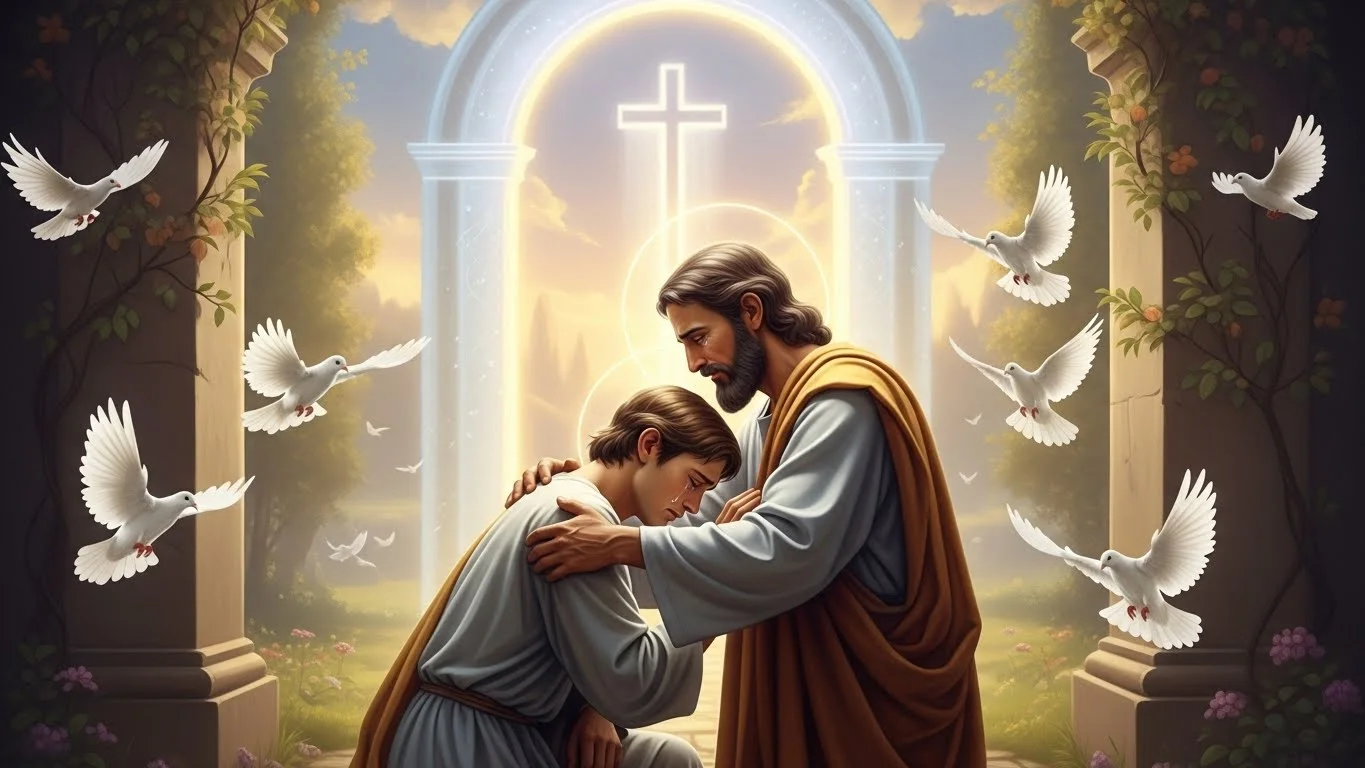
Forgiveness Restores Relationships
“If your brother or sister sins against you, rebuke them; if they repent, forgive them.” — Luke 17:3–4
Forgiveness fosters reconciliation and strengthens bonds.
God’s Forgiveness Is Complete
“As far as the east is from the west, so far has He removed our transgressions.” — Psalm 103:12
God’s forgiveness is total, leaving no lingering debt or guilt.
Forgive From the Heart
“Love covers over a multitude of sins.” — 1 Peter 4:8
True forgiveness comes from sincere love and compassion.
Forgiveness Brings Peace
“Blessed are the merciful, for they will be shown mercy.” — Matthew 5:7
Releasing grudges opens the heart to peace and God’s blessing.
Forgiveness Reflects God’s Character
“Forgive as the Lord forgave you.” — Colossians 3:13
Our forgiveness mirrors God’s mercy and compassion toward us.
Forgiveness Requires Humility
“Do not repay evil with evil.” — Romans 12:17–19
Letting go of revenge fosters spiritual growth and humility.
Forgiveness Frees the Heart
“Forgive and your hearts will be free.” — Mark 11:25
Releasing resentment brings emotional and spiritual freedom.
Forgiveness Is an Ongoing Practice
“Keep forgiving one another, as God in Christ forgave you.” — Ephesians 4:32
Forgiveness is not a one-time act but a lifestyle.
God Seeks Repentance
“If we confess our sins, He is faithful and just and will forgive us our sins.” — 1 John 1:9
Acknowledgment and confession are essential for experiencing divine forgiveness.
Forgiveness Leads to Healing
“He heals the brokenhearted and binds up their wounds.” — Psalm 147:3
Forgiveness restores emotional wounds and brings peace.
Forgiveness and Love
“Above all, love each other deeply, because love covers over a multitude of sins.” — 1 Peter 4:8
Love is the foundation and motivation for forgiveness.
Forgive Even When It’s Hard
“Father, forgive them, for they do not know what they are doing.” — Luke 23:34
Christ’s example shows forgiveness is possible even in extreme injustice.
Forgiveness Breaks the Cycle of Sin
“Do not be overcome by evil, but overcome evil with good.” — Romans 12:21
Releasing others stops the perpetuation of hurt and sin.
Forgiveness Brings Spiritual Growth
“Forgive as the Lord forgave you.” — Colossians 3:13
Forgiveness develops maturity, humility, and reliance on God.
Forgiveness Is a Gift
“Everyone deserves forgiveness, and you can give it freely.” — Matthew 18:21–22
Forgiveness is both an offering and a reflection of God’s grace.
Forgiveness Encourages Reconciliation
“Be reconciled to one another, just as God reconciled you to Himself.” — 2 Corinthians 5:18
Forgiveness is the first step toward repairing broken relationships.
Forgiveness Requires Faith
“Do not judge, and you will not be judged; forgive, and you will be forgiven.” — Luke 6:37
Trusting God enables us to forgive despite difficulty.
Forgiveness Brings Blessings
“Blessed are the peacemakers, for they shall be called children of God.” — Matthew 5:9
Forgiveness fosters peace, blessing, and spiritual reward.