

Examples of Consecration in the Bible
Consecration in the Bible means setting a person, place, or object apart for God’s holy purpose. It often involves purification, obedience, and dedication to God’s service.
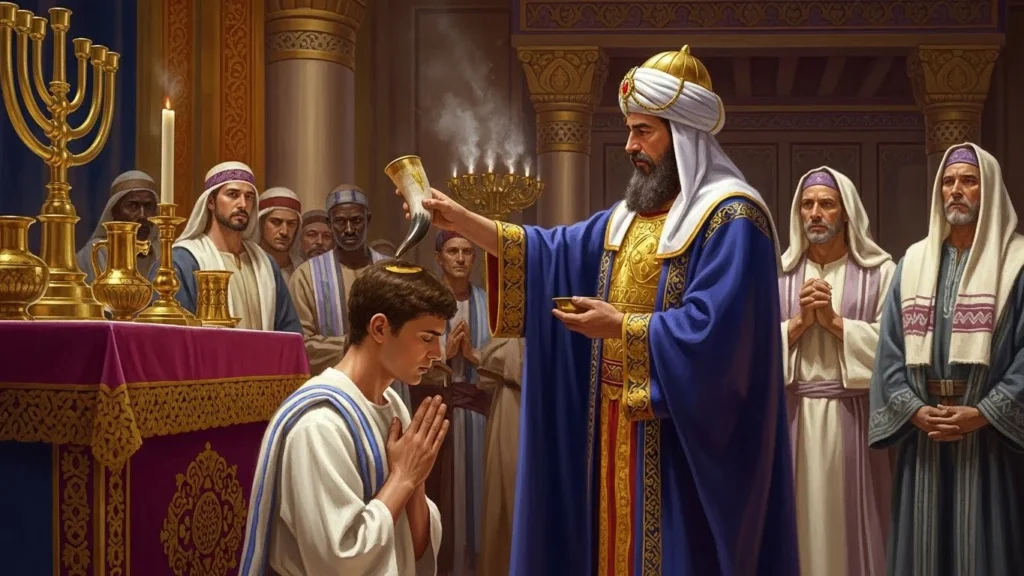
One clear example is the consecration of the priests in the Old Testament. Aaron and his sons were set apart to serve as priests, involving washing, anointing with oil, and sacrifices (Exodus 29:1–9). Another example is the dedication of the tabernacle and its furnishings, which were made holy for worship (Exodus 40:9–10).
In the New Testament, believers are also called to live consecrated lives:
“Present your bodies a living sacrifice, holy, acceptable unto God…” (Romans 12:1)
Scriptures on Consecration and Sanctification
Consecration and sanctification are closely linked, both referring to being set apart for God.
Key Bible verses include:
- “Sanctify yourselves therefore, and be ye holy: for I am the Lord your God.” (Leviticus 20:7)
- “For this is the will of God, even your sanctification…” (1 Thessalonians 4:3)
- “Sanctify them through thy truth: thy word is truth.” (John 17:17)
- “Be ye holy; for I am holy.” (1 Peter 1:16)
These verses show that God calls His people to live differently, dedicated to His truth and righteousness.
Types of Consecration in the Bible
The Bible shows different forms of consecration depending on purpose and calling:
- Priestly Consecration – Setting apart priests for temple service (Exodus 29).
- Personal Consecration – Individuals dedicating themselves to God (Romans 12:1).
- National Consecration – Israel being set apart as God’s chosen people (Exodus 19:5–6).
- Object/Place Consecration – Items like the tabernacle and temple dedicated to God (Exodus 40:9).
- Spiritual Consecration – Believers living holy lives through the Holy Spirit (Romans 6:13).
5 Benefits of Consecration
Consecration brings spiritual growth and deeper relationship with God:
- Closer relationship with God (James 4:8 – “Draw nigh to God, and he will draw nigh to you”)
- Spiritual purity and holiness (1 Peter 1:16)
- Guidance from God (Proverbs 3:5–6)
- Power for service (Acts 1:8)
- Peace and spiritual stability (Philippians 4:7)
Consecration helps believers align their lives with God’s will.
Importance of Consecration in the Bible
Consecration is important because it shows total dedication to God. It separates believers from sin and aligns them with God’s purpose.
“Without holiness no man shall see the Lord.” (Hebrews 12:14)
In the Bible, those who were consecrated were used for special purposes—leaders, prophets, and priests were all set apart. Today, it reminds believers to live a life that reflects God’s character.
Repentance and Consecration Scriptures
Repentance is turning away from sin, while consecration is turning toward God fully. Both go together in spiritual renewal.
- “Repent ye therefore, and be converted, that your sins may be blotted out.” (Acts 3:19)
- “Create in me a clean heart, O God…” (Psalm 51:10)
- “Let us cleanse ourselves from all filthiness of the flesh and spirit…” (2 Corinthians 7:1)
- “If we confess our sins, he is faithful and just to forgive…” (1 John 1:9)
These verses show the process of cleansing and dedication to God.
21-Day Consecration Scriptures
A 21-day consecration period is often used for spiritual discipline, prayer, and renewal of faith.
Helpful scriptures for this journey include:
- Day 1–7: Seeking God’s presence (Matthew 6:33)
- Day 8–14: Purification and repentance (Psalm 139:23–24)
- Day 15–21: Strength and spiritual growth (Isaiah 40:31)
Additional key verse:
“Draw nigh to God, and he will draw nigh to you.” (James 4:8)
This period focuses on prayer, fasting, and spiritual focus on God.
How to Consecrate Yourself to God
To consecrate yourself means to intentionally dedicate your life to God’s will and purpose.
Biblical steps include:
- Surrender your life to God (Romans 12:1)
- Repent of sin (1 John 1:9)
- Renew your mind through Scripture (Romans 12:2)
- Pray consistently (1 Thessalonians 5:17)
- Live in obedience (John 14:15)
Consecration is not a one-time act but a daily commitment to live for God.

The Meaning of Consecration
“Sanctify them by the truth; your word is truth.” — John 17:17
Consecration is a form of sanctification, dedicating oneself or something fully to God.
“Consecrate yourselves and be holy, because I am the Lord your God.” — Leviticus 20:7
It involves moral, spiritual, and personal commitment to God’s standards.
Consecration of Priests
“You shall consecrate Aaron and his sons.” — Exodus 28:41
God instructed specific rituals to set apart priests, showing the importance of preparation and dedication.
“They shall be holy to me, for they offer the food of my God.” — Leviticus 21:6
Consecration for service involves purity, devotion, and focus on God’s work.
Consecration of Objects
“Everything that touches the altar shall be holy.” — Exodus 29:37
Sacred items, like altars or vessels, were consecrated for God’s service, emphasizing separation from the ordinary.
“All the offerings you present to the Lord shall be consecrated.” — Leviticus 7:6
This highlights giving the best and dedicating resources for spiritual purposes.
Personal Dedication to God
“Offer your bodies as living sacrifices, holy and pleasing to God.” — Romans 12:1
Consecration extends beyond rituals to personal commitment and everyday living.
“Love the Lord your God with all your heart, soul, and strength.” — Deuteronomy 6:5
True consecration involves wholehearted devotion in thoughts, actions, and intentions.
Spiritual Growth Through Consecration
“Be holy, because I am holy.” — 1 Peter 1:16
Living a consecrated life fosters moral integrity, spiritual maturity, and alignment with God’s will.
“Draw near to God, and He will draw near to you.” — James 4:8
Dedication enhances closeness to God, deepening faith and understanding.
Consecration Through Prayer and Worship
“Serve the Lord with gladness.” — Psalm 100:2
Acts of worship and prayer are forms of consecration that honor God daily.
“Let everything that has breath praise the Lord.” — Psalm 150:6
Consecration includes offering praise and gratitude in all areas of life.
Dedication of Time
“But seek first his kingdom and his righteousness.” — Matthew 6:33
Consecration is reflected in prioritizing God’s purposes over worldly distractions.
“Teach us to number our days, that we may gain a heart of wisdom.” — Psalm 90:12
Time is consecrated when used wisely in alignment with God’s will.
Examples of Consecrated People
“Daniel resolved not to defile himself with the royal food and wine.” — Daniel 1:8
Consecration often involves self-discipline and commitment to God’s standards.
“Ruth pledged herself to Naomi and her God.” — Ruth 1:16
Faithful dedication is an example of personal consecration in Scripture.
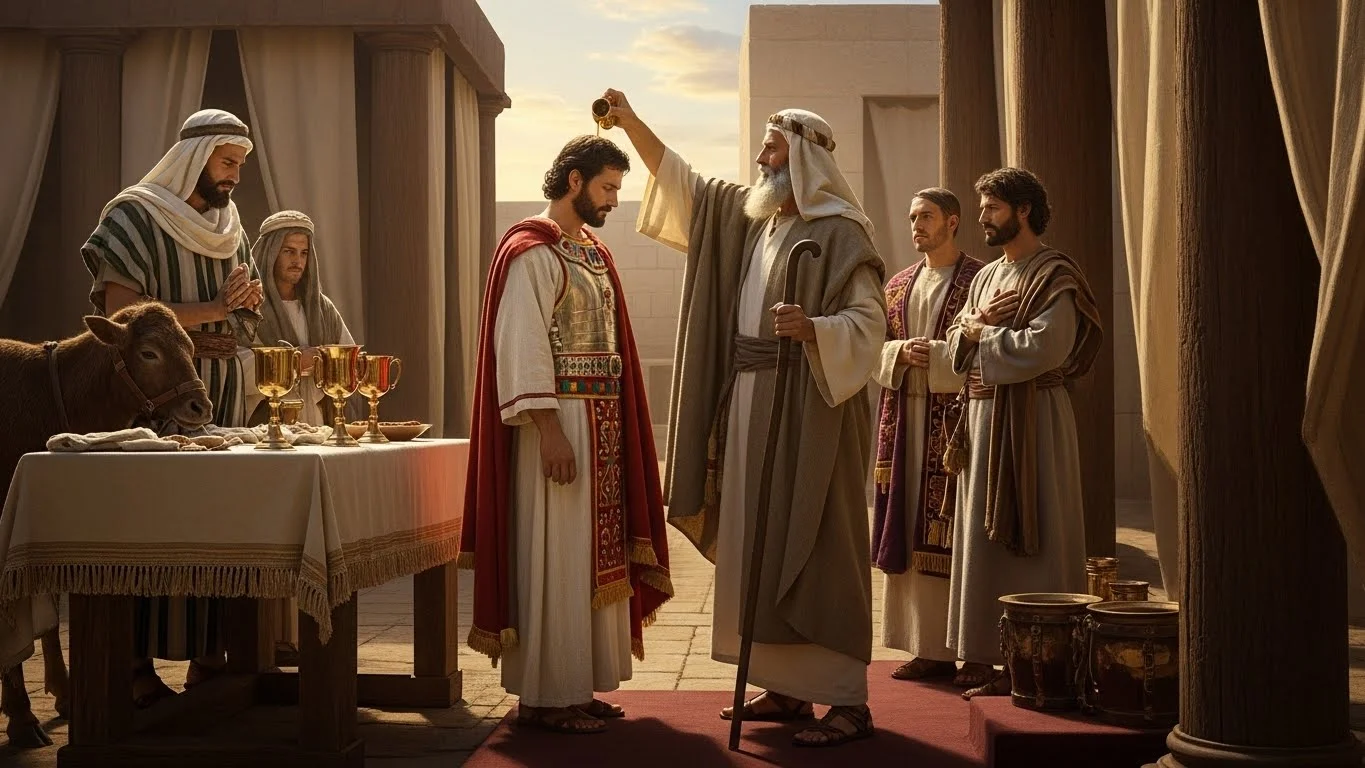
Consecration of Kings
“Samuel took a vial of oil and anointed him in the presence of his brothers.” — 1 Samuel 16:13
Anointing kings symbolized their consecration for God’s purpose and leadership.
“Solomon reigned over all Israel, and the Lord was with him.” — 1 Kings 3:12
Consecrated leaders received divine guidance and blessing in their responsibilities.
Consecration in Daily Life
“Whatever you do, work at it with all your heart, as working for the Lord.” — Colossians 3:23
Every action can be consecrated when done for God’s glory.
“Be steadfast, immovable, always abounding in the work of the Lord.” — 1 Corinthians 15:58
Dedication in everyday responsibilities reflects a consecrated life.
