
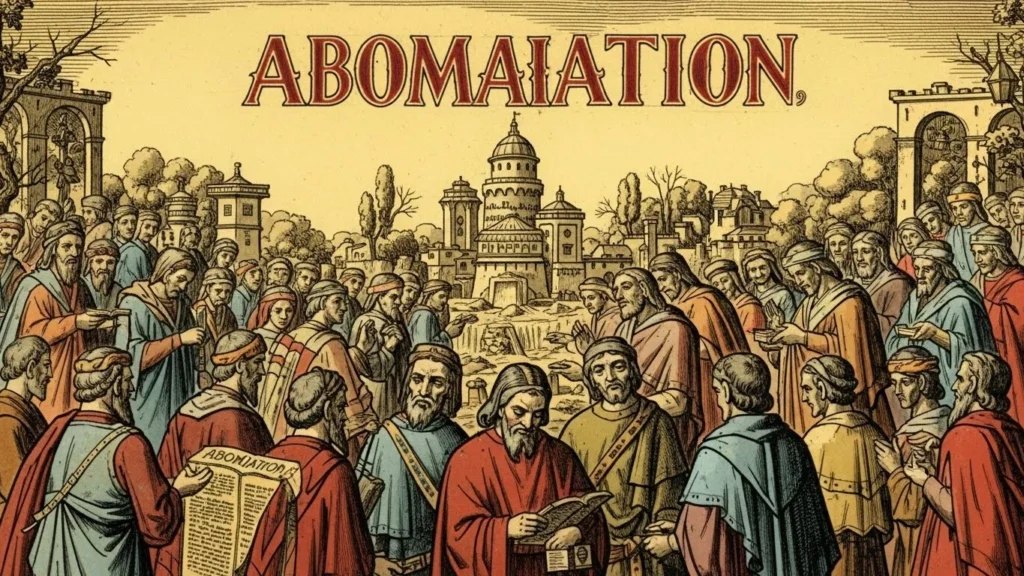


Definition of Abomination
“The fear of the Lord is clean; but the ways of the wicked are an abomination.” — Psalm 14:1
Abomination refers to actions or attitudes deeply opposed to God’s moral order.
Pride as an Abomination
“Everyone proud in heart is an abomination to the Lord.” — Proverbs 16:5
Pride creates separation from God and invites self-reliance over humility.
Dishonest Scales
“Dishonest scales are an abomination to the Lord.” — Proverbs 11:1
God values fairness, honesty, and integrity in every area of life.
Lying Lips
“Lying lips are an abomination to the Lord.” — Proverbs 12:22
Truthfulness reflects God’s character; deceit breaks trust and causes harm.
A Wicked Heart
“The thoughts of the wicked are an abomination to the Lord.” — Proverbs 15:26
God desires purity of heart, not just outward behavior.
Shedding Innocent Blood
“Hands that shed innocent blood… are an abomination.” — Proverbs 6:17
Life is sacred, and violence violates God’s design for peace.
A False Witness
“A false witness who speaks lies is an abomination.” — Proverbs 6:19
Bearing false testimony hurts others and undermines justice.

A Heart That Plots Evil
“A heart that devises wicked schemes is an abomination.” — Proverbs 6:18
God calls believers to cultivate thoughts rooted in goodness.
Feet That Rush to Evil
“Feet that run quickly to do evil… are an abomination.” — Proverbs 6:18
Intentional wrongdoing contradicts God’s call to walk in righteousness.
Injustice in Courts
“Acquitting the guilty and condemning the innocent—the Lord detests both.” — Proverbs 17:15
God values justice, fairness, and truth in all legal matters.
Turning Away from God’s Law
“One who turns away his ear from listening to the law—his prayer is an abomination.” — Proverbs 28:9
Ignoring God’s guidance distances the heart from spiritual alignment.
Wicked Sacrifices
“The sacrifice of the wicked is an abomination to the Lord.” — Proverbs 15:8
Outward religious acts mean nothing without sincerity of heart.
Violent Behavior
“The way of the wicked is an abomination to the Lord.” — Proverbs 15:9
Actions that harm others contradict God’s principles of love and peace.
Idolatry as an Abomination
“They provoked Him to jealousy with foreign gods; with abominations they angered Him.” — Deuteronomy 32:16
Anything placed above God disrupts spiritual devotion and trust.
Corrupt Living
“You shall not eat any abominable thing.” — Deuteronomy 14:3
Many Old Testament commands taught Israel to remain distinct in holiness.
Divination and Sorcery
“These practices are an abomination to the Lord.” — Deuteronomy 18:12
God calls believers to seek guidance only from Him.
A Perverse Heart
“A perverse heart shall be far from me; I will know no evil.” — Psalm 101:4
Guarding the heart protects the mind and strengthens spiritual focus.
Evil Speech
“The perverse in speech are an abomination.” — Proverbs 3:32
Words reflect the heart, so God calls for speech rooted in truth and kindness.
Greed and Exploitation
“He who oppresses the poor is an abomination to God.” — Proverbs 14:31
God cares for the vulnerable and expects believers to do the same.
Arrogant Thoughts
“The proud look is an abomination to God.” — Proverbs 6:17
Humility honors God and strengthens relationships with others.
