
Text messaging has completely changed the way people communicate online. From abbreviations to internet slang, modern conversations are now faster, shorter, and more casual than ever before. One slang term that often appears in chats, TikTok comments, Snapchat messages, and social media conversations is “WTV.”
If you have ever received a message saying “WTV,” you may have wondered what it actually means. Is it rude? Is it casual? Is it friendly? 🤔
In this detailed guide, you’ll learn the exact wtv meaning in text, where it came from, how people use it online, and when you should — or should not use it in conversations.
Whether you’re a student, parent, content creator, or someone trying to understand modern internet slang, this article will explain everything in a simple and expert-friendly way.
What Does WTV Mean in Text? 💬
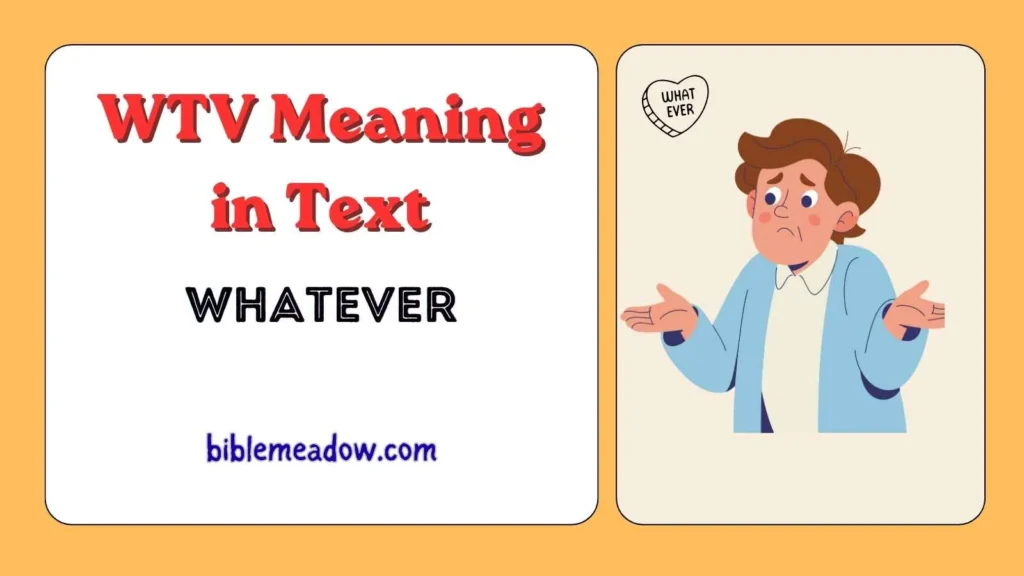
WTV is a short form of the word “whatever.”
People use it in texting and online chats to express different emotions depending on the context. Sometimes it sounds casual and relaxed. Other times, it can sound annoyed, dismissive, or sarcastic.
WTV = Whatever
Because texting is fast-paced, users often shorten common words into abbreviations. Just like “OMG” means “Oh My God,” and “BRB” means “Be Right Back,” the abbreviation “WTV” simply replaces the longer word “whatever.”
Quick Example of WTV in Text
Person 1: “Do you want pizza or burgers?”
Person 2: “WTV works for me 🍕”
In this example, “WTV” means the person has no strong preference.
The Origin of WTV Slang 🌐
The slang term “WTV” became popular through online chatting platforms and texting culture during the early rise of mobile phones and social media.
As character limits and fast typing became common, internet users began shortening words to save time. Apps like:
- SMS texting
- AOL Instant Messenger
- Yahoo Messenger
- MySpace
- Twitter/X
- Snapchat
- TikTok
- Instagram DMs
all helped spread abbreviations like WTV into everyday communication.
Today, the phrase is especially common among teenagers and Gen Z users, but many adults also use it casually online.
Different Meanings of WTV Depending on Context 🧠
One important thing to understand is that the wtv meaning in text changes depending on tone and conversation.
Here are the most common interpretations.
| WTV Usage | Meaning | Tone |
|---|---|---|
| “WTV you want” | Whatever you want | Relaxed |
| “WTV 🙄” | I don’t care | Annoyed |
| “Yeah, wtv” | Dismissive response | Sarcastic |
| “WTV works” | Any option is okay | Friendly |
| “Do wtv makes you happy” | Do whatever makes you happy | Supportive |
This is why understanding tone in texting matters so much. Emojis, punctuation, and sentence structure can completely change how WTV sounds.
How WTV Is Used in Everyday Text Conversations 📲
People use WTV in many types of casual conversations. Here are some common situations.
1. When Someone Has No Preference
This is the most common use.
Example:
“We can watch a movie or go outside.”
“WTV is fine 😊”
The person simply means either option works.
2. To Show Frustration
Sometimes WTV sounds irritated or emotionally distant.
Example:
“You never listen to me.”
“WTV.”
In this case, the tone feels dismissive.
3. To End a Conversation
People occasionally use WTV when they no longer want to argue.
Example:
“Fine. WTV.”
This can signal emotional exhaustion or annoyance.
4. To Sound Chill or Casual
Friends often use WTV jokingly.
Example:
“Pick the game tonight.”
“WTV bro 😂”
Here, the phrase sounds playful and relaxed.
Is WTV Rude? 😬
The answer depends entirely on context and tone.
Sometimes WTV is harmless and casual. Other times, it can sound cold or disrespectful.
When WTV Sounds Polite
- Used among close friends
- Used casually with emojis
- Used to show flexibility
- Used in lighthearted chats
Example:
“WTV you wanna eat is cool 😄”
When WTV Sounds Rude
- During arguments
- Without emojis or explanation
- As a one-word reply
- When ignoring someone’s feelings
WTV Meaning on Snapchat, TikTok, and Instagram 📸
Social media platforms helped make WTV extremely popular.
WTV on Snapchat
On Snapchat, WTV usually means:
- Whatever
- I don’t care
- Anything is okay
Snapchat conversations are quick and informal, so abbreviations are common.
WTV on TikTok
TikTok users often use WTV in comments or captions to sound casual or funny.
Example:
“WTV happens, happens 😂”
It creates a carefree vibe.
WTV on Instagram
Instagram DMs and comments also use WTV in relaxed conversations.
Example:
“WTV aesthetic you like ✨”
Examples of WTV in Real Conversations 🗨️
Understanding real examples makes slang easier to learn.
Friendly Conversation
Alice: “Should we meet at 6 or 7?”
Jake: “WTV works for you 👍”
Annoyed Conversation
Person 1: “You always cancel plans.”
Person 2: “WTV.”
Funny Conversation
Friend: “You still obsessed with iced coffee?”
Reply: “WTV keeps me alive ☕😂”
Romantic Chat
Partner: “Pick the movie tonight.”
Reply: “WTV you choose, babe ❤️”
Common Variations of WTV 🔤
Internet slang evolves quickly, so people often create similar variations.
| Slang | Meaning |
|---|---|
| WTV | Whatever |
| Whatevs | Playful version of whatever |
| W/E | Whatever |
| IDC | I don’t care |
| NVM | Never mind |
These abbreviations often appear together in online conversations.
Why People Use WTV Instead of “Whatever” 🤳
There are several reasons why people prefer typing WTV instead of the full word.
1. Faster Typing
Short abbreviations save time during quick conversations.
2. Casual Internet Culture
Online slang creates a relaxed communication style.
3. Fits Social Media Trends
Short expressions work better in captions, comments, and chats.
4. Creates Emotional Tone
WTV can sound cooler, funnier, or more detached than writing “whatever.”
Generational Differences in Understanding WTV 👥
Different age groups interpret slang differently.
| Generation | How They View WTV |
|---|---|
| Gen Z | Normal everyday slang |
| Millennials | Common casual abbreviation |
| Gen X | May find it informal or rude |
| Older Adults | May not understand it immediately |
This difference sometimes creates misunderstandings in digital communication.
When You Should Avoid Using WTV ⚠️
Although WTV is popular, it is not appropriate everywhere.
Avoid Using WTV In:
- Professional emails
- Job interviews
- Business communication
- Academic writing
- Formal conversations
Using slang in professional situations may seem careless or disrespectful.
Better Alternatives for Professional Settings
- “Any option works for me.”
- “I’m flexible.”
- “Whichever you prefer.”
- “I don’t have a preference.”
These alternatives sound more polished and respectful.
Psychology Behind Slang Like WTV 🧩
Modern internet slang reflects emotional behavior and communication trends.
People use abbreviations because they:
- Want faster communication
- Prefer informal interaction
- Enjoy belonging to online culture
- Use slang to express personality
- Want conversations to feel relaxed
Interestingly, slang terms like WTV also help create group identity. Teenagers and online communities often develop their own communication style to feel connected.
“Language constantly evolves with technology and culture.”
WTV vs Whatever: Is There a Difference? 🤔
Technically, both words have the same meaning. However, emotionally they can feel different.
| Expression | Feels More Formal? | Feels More Emotional? |
|---|---|---|
| Whatever | Yes | Sometimes |
| WTV | No | More casual/digital |
For example:
“Whatever.” can sound dramatic.
“WTV.” often sounds more internet-friendly or detached.
Popular Slang Terms Related to WTV 🔥
If you understand WTV, you may also see these common internet abbreviations.
- IMO — In My Opinion
- TBH — To Be Honest
- FR — For Real
- SMH — Shaking My Head
- IKR — I Know, Right?
- BTW — By The Way
- OMG — Oh My God
- LMK — Let Me Know
Internet slang changes rapidly, so staying updated helps people understand modern online conversations better.
How Parents and Teachers Can Understand WTV 👨🏫
Many parents and educators feel confused by texting abbreviations. However, learning slang helps adults better understand how younger people communicate online.
Tips for Understanding Modern Slang
- Pay attention to context
- Look at emojis and tone
- Ask questions without judgment
- Stay updated with social media trends
- Remember slang changes frequently
Most slang terms are harmless. WTV is generally safe and commonly used in casual conversations.
Can WTV Affect Relationships or Communication? ❤️
Yes, sometimes.
Because texting removes facial expressions and voice tone, abbreviations can easily create misunderstandings.
Positive Communication Example
“WTV you want is okay with me 😊”
This sounds friendly and supportive.
Negative Communication Example
“WTV.”
This may sound emotionally distant or passive-aggressive.
Adding emojis or complete sentences can make your tone clearer.
What Does WTV Mean? ⭐
WTV means “whatever” in text messages and online slang. People use it in casual conversations, social media, Snapchat, TikTok, and chats to express flexibility, indifference, or annoyance depending on the context.
FAQs:
1. What does WTV mean in texting?
WTV means “whatever.” It is a common slang abbreviation used in texting and social media conversations.
2. Is WTV rude?
Not always. WTV can sound friendly or rude depending on tone, emojis, and context.
3. What does WTV mean on Snapchat?
On Snapchat, WTV usually means “whatever” and is often used casually in chats and stories.
4. Is WTV used by Gen Z?
Yes. Gen Z commonly uses WTV in texting, TikTok comments, Instagram DMs, and online conversations.
5. Can I use WTV in professional communication?
No. It is better to avoid slang like WTV in formal or business settings.
Final Thoughts on WTV Meaning in Text ✨
The digital world keeps creating new slang expressions, and WTV is one of the most common abbreviations used today. While it simply means “whatever,” the emotional tone behind it can change depending on the conversation.
Understanding texting slang helps people communicate more effectively online. Whether you see WTV in a Snapchat message, TikTok comment, or casual text conversation, you now know exactly what it means and how to use it properly.
The key takeaway is simple: context matters. A friendly emoji can make WTV sound relaxed and positive, while a short reply without emotion may sound rude or dismissive.

I’m John Alex, a word enthusiast and meaning explorer behind a platform dedicated to uncovering the stories, slang, phrases, and hidden meanings behind everyday words. I love turning confusing terms into simple, engaging explanations that readers can instantly connect with. My goal is to make language fun, clear, and easy to understand while helping people stay updated with trending meanings and modern expressions across the internet.